
Why People Think Are A Good Idea

Discover the Wonders of the Ocean: A Guide for Preschool Children

As a parent or caregiver, it’s amazing how much your preschool child can learn from exploring the wonders of the ocean. The ocean is a vast and mysterious world, full of fascinating creatures, plants, and ecosystems that can spark their curiosity and imagination. In this article, we’ll take you on a journey to explore the importance of learning about the ocean and why it’s essential for preschool children.

Why Teach Preschool Children About the Ocean?

Teaching preschool children about the ocean can have a significant impact on their cognitive, emotional, and social development. Children as young as three can develop a sense of wonder and curiosity about the natural world, which can lead to a lifelong love of learning. When preschool children learn about the ocean, they can develop an appreciation for the interconnectedness of living things and the importance of protecting our environment.

What Can Preschool Children Learn About the Ocean?

There are many fascinating aspects of the ocean that preschool children can learn about. For example, they can learn about the different types of sea creatures, such as fish, dolphins, and whales. They can learn about the different habitats that these creatures call home, such as coral reefs, kelp forests, and ocean depths. Preschool children can also learn about the importance of the ocean in the ecosystem, including the role it plays in regulating the Earth’s climate and providing food and employment for millions of people around the world.

How Can Preschool Children Learn About the Ocean?

There are many ways that preschool children can learn about the ocean. One way is through books and stories. Children’s literature can be a powerful tool for teaching young children about the ocean and its inhabitants. You can also use educational websites, videos, and documentaries to learn about the ocean. Additionally, you can organize field trips to the beach or aquariums to give children a firsthand experience of the ocean.

What Are Some Fun Activities for Preschool Children to Learn About the Ocean?

There are many fun activities that preschool children can engage in to learn about the ocean. For example, you can create a “ocean floor” using a plastic bin filled with blue fabric or paper and adding different textures and materials to create a sense of depth. You can also create “ocean creatures” using recycled materials and teaching children about the different habitats and adaptations of these creatures. You can also engage children in “ocean-themed” activities such as making ocean-inspired art, singing ocean-themed songs, and playing with ocean-themed toys.

Why Is It Important for Preschool Children to Learn About the Ocean?

Learning about the ocean is important for preschool children because it can help them develop an appreciation for the natural world and the importance of protecting our environment. The ocean plays a crucial role in our daily lives, providing us with oxygen, food, and employment. Preschool children can learn about the importance of conservation and sustainability, such as reducing plastic waste and protecting marine habitats.

What Are Some Additional Tips for Teaching Preschool Children About the Ocean?

One important tip is to make learning about the ocean fun and engaging. You can use games, songs, and activities to keep children’s attention and encourage their curiosity. You can also involve children in the learning process by asking them questions and encouraging them to ask questions. Additionally, you can use real-life examples and stories to help children understand complex concepts.

Conclusion

Learning about the ocean can be a valuable experience for preschool children, promoting their cognitive, emotional, and social development. By teaching preschool children about the ocean, we can help them develop an appreciation for the natural world and the importance of protecting our environment. By using a variety of teaching methods and activities, we can keep children engaged and curious about the ocean and its inhabitants. By understanding the importance of the ocean and its role in our daily lives, we can work together to protect this vital ecosystem for future generations.

Practical and Helpful Tips:

Valuable Lessons I’ve Learned About

Leave a Reply

Your email address will not be published. Required fields are marked *

Related Post

A Simple Plan:A Simple Plan:

The Unsung Heroes of Your Hobart Dishwasher: Understanding the Pump Motor
When it comes to maintaining a clean and hygienic kitchen, a reliable dishwasher is an essential tool for any home cook or professional chef. Among the many components that make up a dishwasher, the pump motor is often overlooked, yet it plays a crucial role in ensuring the smooth operation of the appliance. In this article, we’ll delve into the world of Hobart dishwasher pump motors, exploring their function, common issues, and tips for maintenance and repair.

Function of the Pump Motor

The pump motor is responsible for circulating water and detergent through the dishwasher’s spray arms, ensuring that dishes are thoroughly cleaned and rinsed. The motor uses a combination of suction and pressure to create a flow of water that reaches every corner of the dishwasher. This process is critical for removing food residue, stains, and other debris from dishes.

Common Issues with Hobart Dishwasher Pump Motors

Like any mechanical component, the pump motor is prone to wear and tear over time. Common issues that may arise include:

1. Reduced water pressure: If the pump motor is not functioning properly, water pressure may decrease, leading to poor cleaning performance and reduced efficiency.
2. Leaks: A faulty pump motor can cause water to leak from the dishwasher, resulting in water damage and costly repairs.
3. Noise and vibration: A malfunctioning pump motor can produce unusual noises and vibrations, disrupting the normal operation of the dishwasher.

Signs of a Failing Pump Motor

If you notice any of the following symptoms, it may indicate a problem with your Hobart dishwasher pump motor:

1. Reduced cleaning performance: If your dishes are not coming out clean, it could be a sign of a failing pump motor.
2. Unusual noises: Grinding, whining, or rattling sounds can indicate a malfunctioning pump motor.
3. Increased energy consumption: A faulty pump motor can cause your dishwasher to consume more energy than usual.

Tips for Maintenance and Repair

To extend the life of your Hobart dishwasher pump motor and prevent common issues, follow these tips:

1. Regular cleaning: Clean the dishwasher’s filters and drain regularly to prevent clogs and blockages.
2. Check and replace worn parts: Inspect the pump motor and replace any worn or damaged parts to prevent further damage.
3. Avoid overloading: Avoid overloading the dishwasher, as this can put excessive strain on the pump motor and other components.
4. Professional maintenance: Schedule regular maintenance with a qualified technician to ensure your dishwasher is running efficiently and effectively.

Troubleshooting Common Issues

If you’re experiencing issues with your Hobart dishwasher pump motor, try the following troubleshooting steps:

1. Check the power supply: Ensure the dishwasher is properly plugged in and receiving power.
2. Check the circuit breaker: If the circuit breaker has tripped, reset it and try running the dishwasher again.
3. Check for blockages: Clear any blockages in the dishwasher’s drain or pipes to ensure proper water flow.

Conclusion

The pump motor is a critical component of your Hobart dishwasher, and its proper functioning is essential for efficient and effective cleaning. By understanding the function of the pump motor, recognizing common issues, and following maintenance and repair tips, you can ensure your dishwasher continues to operate smoothly and efficiently. Remember to schedule regular maintenance with a qualified technician to prevent common issues and extend the life of your Hobart dishwasher pump motor.

: 10 Mistakes that Most People Make

Understanding

Smart Tips For FindingSmart Tips For Finding

The Heart of Precision: Ohio CNC Machining

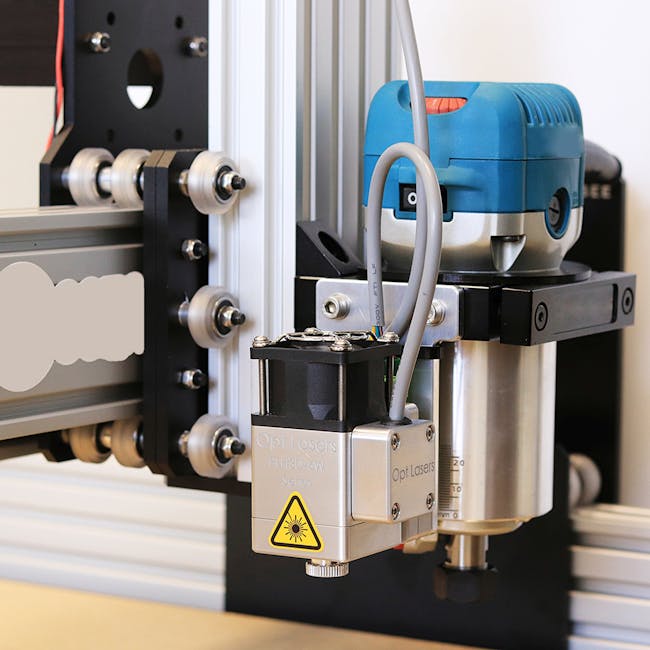
Ohio, a state known for its rich industrial heritage, has long been a hub for precision manufacturing. From the early days of the automotive industry to the modern era of advanced manufacturing, Ohio has consistently pushed the boundaries of innovation and technological advancement. At the forefront of this progress is the field of CNC machining, a process that has revolutionized the way parts are manufactured. In this article, we’ll delve into the world of Ohio CNC machining, exploring its history, benefits, and applications.

The Birth of CNC Machining

The concept of CNC machining dates back to the 1950s, when the first computer-controlled machines were developed. These early machines used numerical control (NC) systems, which relied on punched tape or cards to guide the machining process. The introduction of computer numerical control (CNC) in the 1960s marked a significant milestone, as it enabled the use of computers to control the machining process. This innovation paved the way for the widespread adoption of CNC machining in various industries.

Ohio’s Role in CNC Machining

Ohio’s involvement in CNC machining began in the 1970s, when the state’s manufacturing sector started to shift towards precision manufacturing. The region’s strong industrial heritage, combined with its access to major transportation routes, made it an attractive location for companies looking to establish operations. As the CNC machining industry grew, Ohio became a hub for precision manufacturing, with many companies setting up shop in the state.

Benefits of CNC Machining

So, what are the benefits of CNC machining? For starters, it offers unparalleled precision and accuracy, allowing for the production of complex parts with high tolerances. CNC machining also enables the rapid production of parts, making it an ideal solution for high-volume manufacturing. Additionally, CNC machining allows for the creation of complex geometries and shapes, which would be difficult or impossible to produce using traditional machining methods.

Applications of CNC Machining

CNC machining has a wide range of applications across various industries. In the aerospace industry, CNC machining is used to produce precision parts for aircraft and spacecraft. In the automotive industry, CNC machining is used to produce engine components, transmission parts, and other precision components. In the medical industry, CNC machining is used to produce precision instruments and implants.

Ohio’s CNC Machining Industry

Ohio’s CNC machining industry is thriving, with many companies operating in the state. From small, family-owned shops to large, multinational corporations, Ohio is home to a diverse range of CNC machining companies. These companies specialize in producing a wide range of parts, from precision instruments to complex machinery components.

Challenges Facing the Industry

Despite its many benefits, the CNC machining industry faces several challenges. One of the biggest challenges is the shortage of skilled workers, as many young people are not interested in pursuing careers in manufacturing. Another challenge is the need for ongoing training and education, as CNC machining technology is constantly evolving.

Innovations in CNC Machining

The CNC machining industry is constantly evolving, with new technologies and innovations emerging all the time. One of the most significant innovations in recent years has been the development of 3D printing technology. This technology allows for the rapid production of complex parts and prototypes, which has revolutionized the way companies design and manufacture products.

Ohio’s Response to the Challenges

Ohio is taking a proactive approach to addressing the challenges facing the CNC machining industry. The state has established several initiatives aimed at promoting workforce development and training, as well as providing incentives for companies to invest in the state. Additionally, Ohio is home to several research institutions and universities, which are working to develop new technologies and innovations in the field of CNC machining.

Conclusion

Ohio’s CNC machining industry is a vital part of the state’s manufacturing sector, providing high-quality jobs and driving economic growth. As the industry continues to evolve, it’s essential that Ohio takes a proactive approach to addressing the challenges it faces. By investing in workforce development and training, and by promoting innovation and entrepreneurship, Ohio can ensure that its CNC machining industry remains a key driver of economic growth and development in the state.

Finding Similarities Between and Life

Smart Ideas: Revisited

Interesting Research on – Things You Probably Never KnewInteresting Research on – Things You Probably Never Knew

Drilling into the World of Foundation Drilling: Uncovering the Ins and Outs of This Essential Construction Process

As construction projects rise in complexity and scale, the demand for reliable and efficient foundation drilling methods continues to grow. With the increasing need for stability and strength in modern structures, the role of foundation drilling contractors has become more crucial than ever. In this article, we’ll embark on an exploration of the world of foundation drilling, demystifying the process and highlighting the key benefits and considerations for getting it right.

The Science Behind Foundation Drilling

Before diving into the specifics, it’s essential to understand the basics of foundation drilling. Put simply, foundation drilling is the process of drilling into the ground to create a stable and secure footing for a structure. This involves drilling into the soil or rock to form a hole, which is then filled with concrete or other materials to create a solid foundation. But that’s where it gets interesting. Depending on the site conditions, foundation drilling can involve various techniques and equipment, including rotary drilling, percussion drilling, and hydraulic drilling.

Site Investigation: The Crucial First Step

Before breaking ground, foundation drilling contractors must first conduct a thorough site investigation to determine the best approach. This involves assessing the soil type, rock density, and ground water levels to identify potential challenges and opportunities. By understanding the site conditions, contractors can design a customized drilling plan, ensuring that the foundation meets the necessary load-bearing capacity and structural integrity.

The Importance of Soil Type

Soil type is a critical factor in foundation drilling. Different soil types present unique challenges and require tailored solutions. For instance, drilling into clay soil can be particularly challenging due to its high plasticity and increased risk of collapse. By contrast, sandy soils can be more prone to settlement, requiring additional support to prevent structural damage. Understanding the soil type is crucial for designing a foundation that can withstand the applied loads and external forces.

Drilling Techniques: Rotary, Percussion, and Hydraulic

Foundational drilling involves various drilling techniques, each with its strengths and limitations. Rotary drilling, for instance, is ideal for drilling through softer soils and rock, while percussion drilling is better suited for harder, more abrasive materials. Hydraulic drilling, on the other hand, is often used for drilling through unstable or soft soils. By selecting the right drilling technique, foundation drilling contractors can ensure a successful and efficient drilling process.

Percussion Drilling: The Heavy-Hitting Technique

Among the various drilling techniques, percussion drilling is often the go-to approach for foundation drilling. This technique involves using a hammering motion to break up the soil and rock, allowing for faster drilling and better control. However, percussion drilling can be more labor-intensive and noisy, making it less suitable for residential or noise-restricted areas.

Challenges and Solutions

While foundation drilling is a complex process, site-specific challenges and limitations often arise. For instance, drilling through water-bearing zones or unstable soils can pose significant risks to the drilling operation and structural integrity. By identifying and addressing these challenges, foundation drilling contractors can ensure a successful and safe drilling process.

Benefits of Effective Foundation Drilling

Effective foundation drilling offers numerous benefits, from increased structural integrity to enhanced durability and reduced maintenance costs. By providing a solid foundation, drilling contractors can ensure that structures can withstand various external forces, such as earthquakes, winds, and soil settlements. Moreover, a well-designed foundation can reduce the risk of structural damage, preserving the integrity and value of the structure.

Conclusion: The Key to a Stable Foundation

In conclusion, foundation drilling is a vital aspect of modern construction, requiring expertise, attention to detail, and a deep understanding of site-specific conditions. From site investigation to drilling technique selection, each step is critical to ensuring a stable and secure foundation. By embracing the intricacies of foundation drilling, contractors can provide structures that stand the test of time, security, and stability. Whether you’re a seasoned professional or just starting out, understanding the complexities of foundation drilling is essential for constructing a solid foundation upon which to build – literally.

Getting Creative With Advice

5 Uses For