The Beginner’s Guide to

**Dive into Safety: Your Guide to Swimming Pool Inspection in La Jolla**

In the sunny coastal paradise of La Jolla, swimming pools are a cherished amenity, offering a refreshing escape from the California heat. Whether you own a pool or are considering purchasing a property with a pool, ensuring its safety and compliance with local regulations is paramount. In this comprehensive guide, we’ll take you through everything you need to know about swimming pool inspection in La Jolla, from the importance of regular inspections to what to expect during the inspection process.

**The Importance of Swimming Pool Inspection**

Swimming pool inspection is a critical step in maintaining a safe and enjoyable aquatic environment for you and your loved ones. Regular inspections help identify potential hazards, such as electrical issues, structural defects, or water quality problems, before they escalate into costly repairs or, worse, accidents. In La Jolla, where swimming pools are a common feature of many properties, investing in routine inspections can provide peace of mind and ensure compliance with local safety regulations.

**What to Expect During a Swimming Pool Inspection**

During a swimming pool inspection in La Jolla, a certified inspector will thoroughly assess various aspects of your pool to ensure its safety and compliance with local regulations. Some key areas that may be inspected include:

1. **Structural Integrity**: The inspector will examine the pool’s structure, including the walls, floor, and decking, for signs of cracks, leaks, or other damage that could compromise its stability.

2. **Safety Features**: The inspector will check the pool’s safety features, such as fencing, gates, and alarms, to ensure they meet local requirements and are functioning properly to prevent unauthorized access and accidents.

3. **Equipment Inspection**: The inspector will inspect the pool’s equipment, including pumps, filters, heaters, and electrical systems, to ensure they are in good working condition and free from defects or safety hazards.

4. **Water Quality**: The inspector will test the pool water for pH levels, chlorine or sanitizer levels, and clarity to ensure it meets standards for safe swimming and bathing.

**Benefits of Regular Swimming Pool Inspection**

Investing in regular swimming pool inspection in La Jolla offers numerous benefits for homeowners and pool owners alike:

1. **Safety**: Regular inspections help identify and address safety hazards before they pose a risk to swimmers, reducing the likelihood of accidents or injuries.

2. **Preventive Maintenance**: By identifying and addressing minor issues early on, regular inspections can help prevent costly repairs and extend the lifespan of your pool and its equipment.

3. **Compliance**: Ensuring your pool meets local safety regulations through regular inspections helps avoid fines or penalties and demonstrates your commitment to safety and compliance as a property owner.

4. **Peace of Mind**: Knowing that your pool has been inspected and is safe for swimming provides peace of mind for you and your family, allowing you to enjoy your pool with confidence.

**Finding a Certified Pool Inspector in La Jolla**

When seeking a swimming pool inspection in La Jolla, it’s essential to choose a certified and experienced pool inspector who is knowledgeable about local regulations and safety standards. Look for inspectors who are members of reputable professional organizations and have a track record of conducting thorough and reliable inspections. Additionally, consider asking for recommendations from friends, neighbors, or real estate professionals who have had positive experiences with pool inspectors in the area.

**Conclusion**

In conclusion, swimming pool inspection is a vital aspect of maintaining a safe and enjoyable aquatic environment in La Jolla. By investing in regular inspections, you can identify and address potential hazards, ensure compliance with local regulations, and enjoy peace of mind knowing that your pool is safe for swimming. So whether you’re a homeowner with an existing pool or considering purchasing a property with a pool, make swimming pool inspection a priority to protect your investment and the safety of your loved ones.

5 Takeaways That I Learned About

A Simple Plan:

Leave a Reply

Your email address will not be published. Required fields are marked *

Related Post

Overwhelmed by the Complexity of ? This May HelpOverwhelmed by the Complexity of ? This May Help

Commercial Lawn Mowing: The Key to Professional Landscaping
In today’s landscape of business operations, presenting an appealing exterior is crucial for attracting clients and creating a lasting impression. Commercial lawn mowing plays an essential role in maintaining the health and appearance of the greenery that surrounds commercial establishments. A well-manicured lawn not only enhances the aesthetic appeal of a property but also contributes positively to the overall atmosphere of the business environment.

Commercial lawn mowing services come equipped with specialized equipment and trained professionals who know how to care for different types of grass, shrubs, and landscape features. Unlike residential mowing, commercial establishments often require more sophisticated techniques and a tailored approach. Regular mowing not only promotes healthy grass growth but also helps in controlling pests, weeds, and diseases that can adversely affect the landscape.

Beyond just aesthetics, maintaining a pristine lawn is a matter of property value. Businesses that invest in professional mowing services can enjoy long-term financial benefits. Well-kept properties can see a higher market value, which is crucial in an increasingly competitive real estate landscape. Moreover, an appealing exterior can stimulate foot traffic and potentially increase sales, making it a wise investment for any commercial entity.

In addition to lawn mowing, many commercial landscaping services offer other vital maintenance options such as fertilization, aeration, and seasonal clean-ups. These services work together to ensure that the lawns remain lush and vibrant throughout the year. Business owners should consider setting up regular maintenance schedules to guarantee their property’s landscape is always in top condition. By understanding the full range of services available, companies can develop a customized landscaping strategy that aligns with their branding and operational goals.

In conclusion, investing in commercial lawn mowing is more than just maintaining a lawn; it’s about enhancing the overall image and value of a business. By opting for professional services, organizations can enjoy the myriad benefits of a well-groomed landscape, from heightened curb appeal to increased property value. As businesses continue to recognize the importance of their physical presence, commercial lawn mowing will remain a crucial element of effective property management.

Lessons Learned About

Where To Start with and More

Learning The Secrets AboutLearning The Secrets About

The Art of Stage Lighting Controls: A Comprehensive Guide

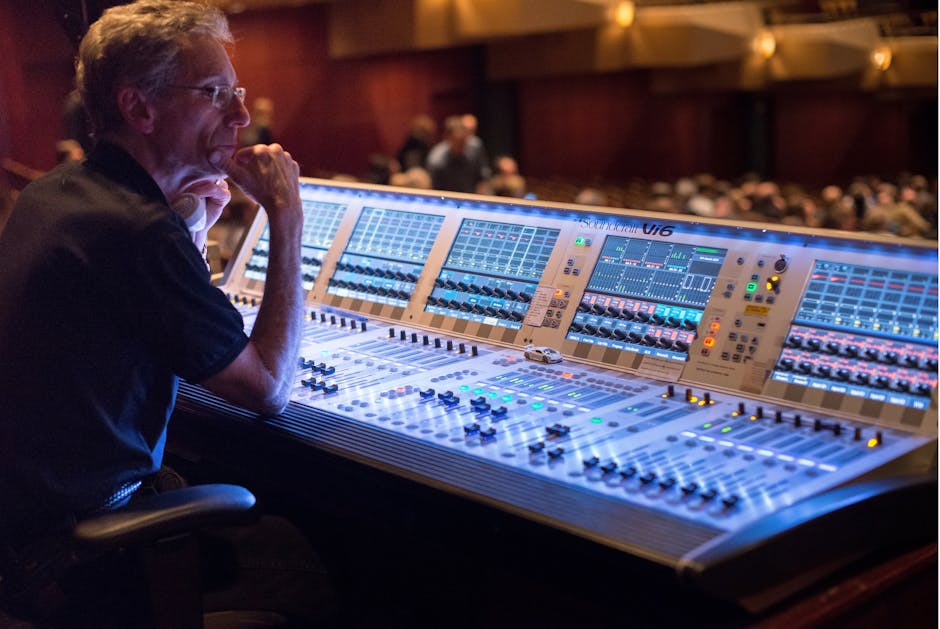
When it comes to creating a captivating stage performance, lighting plays a crucial role in setting the mood, highlighting the action, and drawing the audience’s attention. Stage lighting controls are an essential component of this process, allowing lighting designers and technicians to fine-tune the lighting scheme to achieve the desired effect. In this article, we’ll delve into the world of stage lighting controls, exploring the different types, features, and considerations to help you make an informed decision when purchasing stage lighting controls for sale.

Understanding Stage Lighting Controls

Stage lighting controls refer to the systems and devices used to operate and adjust the lighting fixtures on a stage. These controls can be manual, semi-automatic, or fully automated, depending on the level of complexity and precision required. Manual controls typically involve adjusting the lighting fixtures by hand, while semi-automatic controls use pre-programmed settings and automated controls use computer software to operate the lights.

Types of Stage Lighting Controls

1. Dimmer Packs: Dimmer packs are a type of stage lighting control that allow you to adjust the brightness of individual lighting fixtures. They are commonly used in conjunction with dimmable lighting fixtures and can be controlled manually or via a console.
2. Console-Based Systems: Console-based systems use a central control console to operate and adjust the lighting fixtures. These consoles can be manual or automated, and often feature a range of pre-programmed settings and effects.
3. Automated Lighting Systems: Automated lighting systems use computer software to operate and adjust the lighting fixtures. These systems can be programmed to create complex lighting sequences and effects, and are often used in large-scale productions.
4. Wireless Lighting Controls: Wireless lighting controls use radio frequency (RF) or infrared (IR) signals to control the lighting fixtures. These systems are often used in situations where a wired connection is not feasible or practical.

Features to Consider When Purchasing Stage Lighting Controls

1. Compatibility: Ensure that the stage lighting controls you purchase are compatible with your existing lighting fixtures and equipment.
2. Ease of Use: Consider the level of complexity and ease of use required for your specific application. Manual controls may be suitable for small-scale productions, while automated controls may be necessary for large-scale productions.
3. Precision: Consider the level of precision required for your specific application. Automated controls can provide a high level of precision, while manual controls may require more manual adjustment.
4. Scalability: Consider the potential for future expansion and scalability when purchasing stage lighting controls. Automated controls can be easily expanded and reprogrammed, while manual controls may require more significant upgrades.
5. Budget: Consider your budget when purchasing stage lighting controls. Automated controls can be more expensive than manual controls, but may provide a higher level of precision and flexibility.

Considerations for Purchasing Stage Lighting Controls for Sale

1. Quality: When purchasing stage lighting controls for sale, ensure that the products are of high quality and meet your specific requirements.
2. Warranty: Check the warranty offered by the manufacturer and ensure that it meets your needs.
3. Support: Consider the level of support offered by the manufacturer, including technical support and maintenance.
4. Compatibility: Ensure that the stage lighting controls you purchase are compatible with your existing equipment and lighting fixtures.
5. Budget: Consider your budget when purchasing stage lighting controls for sale. Automated controls can be more expensive than manual controls, but may provide a higher level of precision and flexibility.

Conclusion

Stage lighting controls are an essential component of any stage production, allowing lighting designers and technicians to fine-tune the lighting scheme to achieve the desired effect. When purchasing stage lighting controls for sale, it’s essential to consider the type of control, features, and compatibility with your existing equipment and lighting fixtures. By doing so, you can ensure that your stage lighting controls meet your specific requirements and provide a high-quality performance.

Smart Ideas: Revisited

Lessons Learned from Years with

Questions About You Must Know the Answers ToQuestions About You Must Know the Answers To

Transform Your Workshop: How to Make a Drill Press Mobile

A drill press is an essential tool for anyone engaged in woodworking, metalworking, or DIY projects. However, its bulkiness often limits where you can place it in your workspace. Making your drill press mobile not only enhances space efficiency but also allows for greater flexibility during projects. This guide outlines practical steps to help you achieve a mobile drill press setup.

Choosing the Right Base

The first step in making your drill press mobile involves selecting an appropriate base. A sturdy workbench or a custom-built cart is ideal for this purpose. If you opt for a cart, ensure it is solid enough to withstand vibrations during operation. The height of the cart should also match that of the drill press to provide ease of use. Consider using materials like plywood or metal for durability. The design should include enough surface area to accommodate the drill press and any additional tools or accessories needed during projects.

Casting Mobility with Wheels

Once you have the base ready, the next step is adding mobility by incorporating wheels. Heavy-duty swivel casters work best, as they provide flexibility and control. Look for wheels that lock in place to ensure stability while drilling. A set of four casters will allow for smooth movement and make it easier to reposition the drill press when necessary. Install the casters at the corners of the base, making sure they are securely fastened and capable of handling the weight of the drill press and any added components.

Securing the Drill Press

Now that the base and wheels are in place, it’s time to attach the drill press securely. Use bolts or screws to fasten it to the cart or workbench. Ensure that the drill press sits level to allow for precise drilling. You can add rubber pads between the base and the drill press to absorb vibrations and prevent any slipping. This setup helps maintain accuracy and safety while using the drill press.

Creating an Extension Table

An extension table can greatly enhance the functionality of your mobile drill press. This addition will provide support for larger workpieces, making drilling easier and more stable. You can construct an extension table from plywood, ensuring it matches the height of the drill press. Attach it firmly to the cart to prevent wobbling. Consider adding T-tracks to the extension table for securing jigs or clamps, giving you additional versatility in your projects.

Utilizing Storage Solutions

Maximizing the functionality of your mobile drill press setup means considering storage solutions as well. Use shelving or drawers in the cart or base to store drill bits, clamps, and other essential tools. Organization is critical for efficiency, preventing the need to hunt for items in the middle of a project. You can also incorporate a pegboard on one side of the cart to hang tools, keeping frequently used items within easy reach.

Final Touches

Once everything is assembled, conduct a thorough inspection to ensure stability and safety. Test the mobility of the cart by moving it around your workspace. Make any necessary adjustments to ensure that the drill press operates smoothly on the cart. This mobile setup not only saves space but also creates a more organized and efficient workspace.

By following these steps, you can transform your drill press into a mobile asset that enhances your workshop’s flexibility and functionality. Embrace the freedom of movement and accessibility, allowing you to tackle various projects with ease.

Practical and Helpful Tips:

Overwhelmed by the Complexity of ? This May Help