A Quick Overlook of – Your Cheatsheet

The Essential Guide to Cell Phone Repair: Empower Yourself with Knowledge

Understanding Common Cell Phone Issues

Cell phones have become indispensable tools in daily life, helping you connect with friends, manage tasks, and access information at your fingertips. However, wear and tear can lead to various issues, ranging from cracked screens to software malfunctions. By understanding common problems, you can identify when your device needs repair or if a simple fix can resolve the issue.

One of the most frequent problems is a cracked screen. Accidental drops and bumps can damage your phone’s display, rendering it difficult to use. Other common issues include battery drainage, which might occur due to outdated apps or settings that demand excessive power. Additionally, water damage can severely affect your phone’s functionality, leading to short circuits and data loss. Recognizing these issues helps you determine if cell phone repair is necessary.

Recognizing When to Seek Professional Help

While some problems can be fixed at home, certain issues require professional intervention. If your phone experiences persistent freezing, random shutdowns, or fails to charge, it’s vital to seek expert assistance. Professionals can diagnose complicated issues like hardware failures or software corruption that may not be immediately apparent.

Attempting to fix these problems without the proper knowledge can cause additional damage. For instance, replacing a battery or screen without the right tools or techniques may lead to further complications. Understanding when to seek professional help helps you save time and money in the long run.

DIY Repairs: When You Can Take Matters Into Your Own Hands

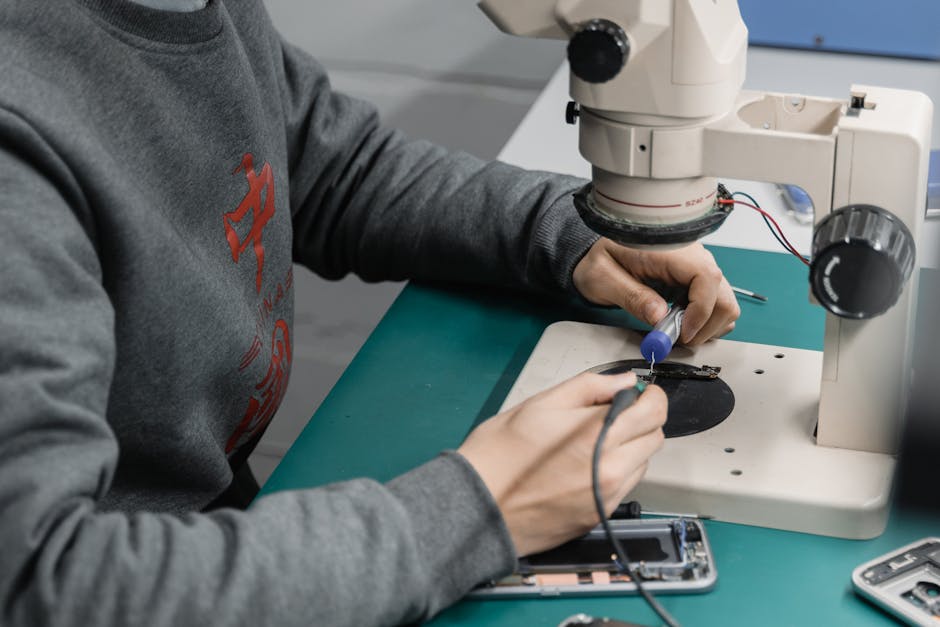
For those who are tech-savvy, certain minor repairs can be tackled independently. Replacing a battery or a cracked screen can often be managed with the right tools and guidance. Online tutorials provide step-by-step instructions for various repair processes, making it easier than ever to attempt DIY fixes.

Before embarking on any repair, ensure you have the necessary tools and replacement parts. Familiarize yourself with the specific model of your cell phone, as components can vary between different devices. By equipping yourself with the right resources, you can confidently address minor issues without professional assistance.

Preventative Measures to Extend Your Device’s Lifespan

Prevention is key when it comes to maintaining your cell phone. By adopting strategies to protect your device, you can significantly reduce the risk of common issues. Investing in a good quality case and screen protector minimizes the chances of physical damage from drops and impacts.

Regularly cleaning your phone also contributes to its longevity. Dust and debris can accumulate in charging ports and speakers, leading to charging problems and audio issues. Additionally, managing your apps and keeping your software updated ensures optimal performance. Efficient storage management and routine maintenance can prevent many common software malfunctions.

Choosing a Reliable Repair Service

When professional help is necessary, selecting a reliable cell phone repair service is crucial. Look for providers with positive customer reviews and established reputations. Transparency regarding pricing and warranties ensures you receive quality service without hidden costs. A trustworthy repair professional will diagnose your issue accurately and offer solutions tailored to your needs.

In conclusion, understanding the basics of cell phone repair enhances your ability to manage your device effectively. Recognizing common issues, knowing when to seek help, and taking preventative measures can significantly improve your cell phone’s lifespan. Whether you choose to tackle minor repairs yourself or enlist professional help, being informed empowers you to make the best decisions for your device.

On : My Rationale Explained

Getting Creative With Advice

Leave a Reply

Your email address will not be published. Required fields are marked *

Related Post

What Do You Know AboutWhat Do You Know About

Understanding RF Inductors: The Unsung Heroes of Electromagnetic Compatibility

Radio Frequency (RF) inductors are a crucial component in modern electronics, playing a vital role in ensuring the smooth operation of various devices and systems. While they may seem simple at first glance, RF inductors are complex components that require a deep understanding of their design, construction, and application. In this article, we will delve into the world of RF inductors, exploring their theory, types, and importance in electromagnetic compatibility (EMC) and signal integrity.

The Basics of RF Inductors

An RF inductor is essentially a coil of wire that is designed to store energy in the form of a magnetic field. This energy storage capability allows RF inductors to block high-frequency signals, making them a crucial component in filtering and impedance matching applications. The basic structure of an RF inductor consists of a coil of wire, known as the windings, which are wrapped around a magnetic core. The properties of the wire, such as its gauge and length, as well as the type of magnetic core material used, can significantly impact the performance of the inductor.

Types of RF Inductors

There are several types of RF inductors, each designed for specific applications and operating frequencies. Some of the most common types of RF inductors include:

1. Fixed Inductors: These inductors have a fixed inductance value and are typically used in Filter designs.
2. Variable Inductors: These inductors allow for adjustments to the inductance value and are often used in impedance matching applications.
3. Toroidal Inductors: These inductors have a toroidal shape and are often used in high-frequency applications.
4. Air-Cored Inductors: These inductors do not use a magnetic core and are often used in high-frequency applications where the core would be too reactive.

Importance in Electromagnetic Compatibility (EMC)

RF inductors play a crucial role in ensuring the electromagnetic compatibility (EMC) of devices and systems. EMC refers to the ability of devices to operate effectively in their intended environment without causing Electromagnetic Interference (EMI) or being affected by it. RF inductors are used to block or attenuate high-frequency signals, reducing the risk of EMI and ensuring that devices operate within their intended specifications.

Role in Signal Integrity

RF inductors also play a vital role in signal integrity, referring to the ability of signals to transmit accurately and without degradation. Signals can be affected by reflections, ringing, and other forms of signal degradation, which can be mitigated through the use of RF inductors. By introducing an inductor in a signal path, it is possible to tune out unwanted resonant frequencies and improve signal quality.

Design and Construction Considerations

The design and construction of RF inductors require careful consideration of various factors, including the inductor’s self-resonant frequency, winding resistance, and magnetic core material. In selecting a suitable magnetic core material, RF inductor designers must consider factors such as permeability, magnetic saturation point, and power handling capability. The choice of winding material and insulation also play a crucial role in determining the inductor’s performance.

Measurements and Testing

Measuring the performance of RF inductors involves a range of tests, including measurements of inductance, Q-factor, and insertion loss. These tests provide valuable insights into the inductor’s performance and help designers optimize their designs. Advanced measurement techniques, such as Vector Network Analysis (VNA), can provide detailed information on the inductor’s frequency response and help designers to identify areas for improvement.

Practical Applications

RF inductors have a wide range of applications, from filtering and impedance matching to energy storage and power conversion. Some common applications include:

1. Filter design: RF inductors are used extensively in filter design, particularly in narrowband applications such as telecommunications and wireless systems.
2. Impedance matching: RF inductors help match the impedance of a load to the generator, ensuring maximum power transfer and efficiency.
3. Energy storage: RF inductors can store energy, which is useful in applications such as backup power systems and flyback converters.
4. Power conversion: RF inductors play a key role in power conversion applications, such as DC-DC converters and AC-DC converters.

Conclusion

RF inductors are a critical component in modern electronics, playing a vital role in ensuring the electromagnetic compatibility and signal integrity of devices and systems. Understanding the design and construction of RF inductors, as well as their measurement and testing, is essential for optimizing their performance. With a wide range of applications and uses, RF inductors are an essential component in the development of many modern technologies.

The 9 Most Unanswered Questions about

The Best Advice About I’ve Ever Written

What I Can Teach You AboutWhat I Can Teach You About

Stonework Contractor: The Key to Solid Frameworks

In the realm of building, stonework plays a crucial duty in producing sturdy and aesthetically pleasing frameworks. Whether it’s a property job like constructing a fireplace or a commercial undertaking such as creating a brick appearance, the knowledge of a stonework professional is essential. These specialists possess the abilities required to work with numerous materials, including block, rock, and concrete, ensuring that every job satisfies both architectural honesty and design specs.

Among the key responsibilities of a masonry contractor is to analyze architectural styles and convert them into a physical structure. They recognize the nuances of various products and exactly how they engage with each various other, which is important for both security and longevity. A knowledgeable stonework contractor will certainly additionally be well-informed regarding neighborhood building codes and guidelines, guaranteeing that all work complies with the required standards. This proficiency helps avoid expensive blunders and makes certain that the project is completed effectively and precisely.

In addition to new building, stonework specialists are commonly hired for restoration and repair work. Many older buildings call for specific understanding when it involves maintaining their stability while additionally protecting their historic worth. Masonry professionals can analyze damage, advise ideal materials for repairs, and perform remediation job that straightens with the initial building methods, guarding the building’s heritage for future generations.

Selecting the appropriate stonework service provider is critical for the success of any kind of building job. House owners and organizations should perform extensive research, choosing contractors with a solid track record, tried and tested experience, and positive customer testimonials. It’s also a good idea to ask for references and examples of previous job to make sure that the contractor’s style straightens with the vision for the project. Effective communication throughout the procedure will certainly also figure out the success of the collaboration, as a good service provider will certainly pay attention to customer problems and job diligently to satisfy their assumptions.

Finally, a masonry professional is not simply a contractor; they are artisans that contribute considerably to the top quality and safety and security of our developed atmosphere. Their specialized abilities are indispensable in both brand-new building and restoration projects, making them a principal in the construction market. For anybody considering a masonry task, investing in the best specialist is the initial step towards achieving a durable and aesthetically enticing outcome that stands the examination of time.

Understanding

The Beginners Guide To (From Step 1)

Lessons Learned from Years withLessons Learned from Years with

The Ultimate Guide to Finding Your Dream Wedding Dress in Denver

As you prepare to walk down the aisle, finding the perfect wedding dress is a top priority. With so many options available, it can be overwhelming to navigate the world of wedding dresses. In this guide, we’ll take you through the process of finding your dream wedding dress in Denver, from understanding your style to trying on dresses and making the final decision.

First and foremost, it’s essential to understand your personal style and what you’re looking for in a wedding dress. Think about your wedding theme, the venue, and the overall aesthetic you want to achieve. Are you going for a classic and elegant look or something more modern and trendy? Are you drawn to lace, satin, or something else? Take some time to browse through wedding inspiration boards, fashion magazines, and social media to get a sense of what you like and dislike.

Once you have a clear idea of your style, it’s time to start searching for the perfect dress. Denver has a plethora of bridal boutiques and salons offering a wide range of wedding dresses. From traditional to modern, and from affordable to luxurious, there’s something for every bride-to-be. Start by researching local boutiques and making a list of the ones that catch your eye. You can also ask friends, family, or coworkers for recommendations.

When visiting a boutique or salon, it’s essential to be prepared. Bring a few trusted friends or family members to get their opinions, and don’t be afraid to ask questions. What kind of fabrics do they use? Can they customize the dress? What’s the return policy? A good boutique will be transparent about their processes and willing to work with you to find the perfect dress.

When trying on dresses, remember that it’s all about finding the one that makes you feel like the best version of yourself. Don’t be afraid to try on different styles, fabrics, and silhouettes until you find the one that makes you feel confident and beautiful. And don’t worry if you don’t find the perfect dress on the first try – it’s all part of the process.

In addition to traditional bridal boutiques, Denver also has a thriving vintage and second-hand wedding dress market. If you’re looking for something unique and one-of-a-kind, consider visiting local vintage shops or online marketplaces. You might be surprised at the hidden gems you can find.

Another option to consider is custom-made wedding dresses. Many local designers and seamstresses offer bespoke services, allowing you to create a dress that’s truly tailored to your style and preferences. This can be a more expensive option, but the end result is a dress that’s truly one-of-a-kind.

Of course, no discussion of wedding dresses would be complete without mentioning alterations. Whether you’re buying off-the-rack or having a custom dress made, alterations are an essential part of the process. Make sure to ask about the boutique’s alteration policy and what services they offer. Some boutiques may have in-house seamstresses, while others may recommend outside vendors.

As you near the end of your wedding dress journey, take a step back and reflect on what you’ve learned. What did you like and dislike about the dresses you tried on? What did you learn about yourself and your style? Use this newfound self-awareness to make a final decision and choose the dress that makes you feel like the best version of yourself.

In conclusion, finding the perfect wedding dress in Denver requires patience, persistence, and an open mind. By understanding your style, researching local boutiques, and trying on different dresses, you’ll be well on your way to finding the dress of your dreams. And remember, it’s not just about the dress – it’s about how you feel in it. With the right dress, you’ll be ready to take on the world and start your new life together.

A Simple Plan For Investigating

Questions About You Must Know the Answers To