The Path To Finding Better

Choosing the Right Kitchen Remodeling Contractor for Your Home

Kitchen remodeling is one of the most significant investments you can make in your home. Whether you’re looking to enhance your home’s aesthetic appeal, increase its value, or simply create a more functional and enjoyable space, hiring the right kitchen remodeling contractor is crucial to the success of your project. With numerous contractors available, knowing what to look for can make a world of difference in the outcome of your kitchen renovation.

When starting your search for a contractor, it’s essential to conduct thorough research. Begin by asking friends and family for recommendations, as word-of-mouth referrals are often the most reliable. Additionally, online platforms can provide reviews and ratings for contractors in your area. Look for contractors who specialize in kitchen renovations, as they will have the appropriate experience and knowledge to guide you through the process. Review their portfolios to ensure they have completed projects that align with your vision.

Once you have a shortlist of potential contractors, it’s time to schedule interviews. During these meetings, ask about their previous experience, licenses, and insurance. It’s also helpful to inquire about their approach to project management, timelines, and how they handle unexpected issues that may arise during the renovations. Make sure to discuss your budget openly, so they can tailor their services to meet your financial constraints without compromising quality.

After narrowing down your options, request detailed estimates from each contractor. Compare not just the cost but also the scope of work included in their proposals. A reliable contractor should offer a comprehensive plan that outlines the materials, labor, and timelines involved in the project. Remember that the lowest bid might not always be the best option; consider the contractor’s reputation, expertise, and overall professionalism. Trust your instincts and choose a contractor who not only meets your budget but also makes you feel comfortable and confident in their ability to execute your vision.

In conclusion, a successful kitchen remodel begins with finding the right contractor. By conducting thorough research, interviewing potential candidates, and comparing detailed estimates, you can select a contractor who aligns with your project goals and expectations. Taking the time to choose wisely will ensure that your kitchen transformation is not only beautiful but also smooth and stress-free, providing you with a stunning space to enjoy for years to come.

What Do You Know About

Where To Start with and More

Leave a Reply

Your email address will not be published. Required fields are marked *

Related Post

Why not learn more about ?Why not learn more about ?

Choosing the Right Hair Salon for Your Requirements

Locating the best hair salon can be a challenging job, especially with so many options offered. Your hair is your crowning magnificence, so it’s important to select an area that can aid you attain the look you prefer while likewise offering a relaxing and delightful experience. In this guide, we will certainly discover some key aspects to take into consideration when picking a hairdresser that meets your needs and preferences.

Firstly, it’s important to do some research study. Begin by asking buddies, family, or coworkers for recommendations. Personal testimonies can offer valuable understanding into the top quality of service and know-how supplied by a beauty parlor. In addition, take into consideration examining online testimonials on platforms like Google and Yelp to get a broader understanding of what clients think of different hair salons. Take notice of comments regarding specific services, stylist ability degrees, and general consumer experience.

One more important facet to think about is the hair salon’s field of expertise. Just like any kind of career, hairdressers commonly have their very own locations of know-how, such as shade, cuts, or certain strategies like balayage or updos. If you’re seeking a specific service, make certain the beauty parlor has stylists who focus on that location. Most hair salons will certainly have their solutions noted on their web site, making it much easier for you to locate the best suit for your hair goals.

The beauty salon environment additionally plays a considerable duty in your general experience. When visiting potential beauty salons, make note of the atmosphere, sanitation, and expertise of the personnel. You want to really feel comfy and relaxed throughout your appointment, so choosing a salon that provides an inviting ambience is very important. Furthermore, think about the place and benefit of the beauty salon. A location that is easily accessible and has adequate car park can make your visit a lot more pleasurable.

Last but not least, don’t think twice to have an initial examination prior to devoting to a solution. Most reputable beauty parlors use this option, enabling you to discuss your hair objectives, ask inquiries, and figure out if the stylist understands what you want. This preliminary conference can be a making a decision factor in structure depend on with your stylist, ensuring a far better end result for your hair transformation.

In conclusion, finding the best hairdresser involves a balance of study, comprehending stylist specializeds, examining the atmosphere, and taking part in open interaction. By taking these variables into consideration, you’re more probable to locate a beauty salon that not just fulfills your hair care requirements but likewise provides an enjoyable and satisfying experience. Your hair is entitled to the very best, so make the effort to discover a beauty salon that absolutely aligns with your vision.

Overwhelmed by the Complexity of ? This May Help

Looking On The Bright Side of

Questions About You Must Know the Answers ToQuestions About You Must Know the Answers To

The Hidden Heroes of Urban Infrastructure: Understanding Underground Stormwater Detention

As cities continue to grow and urbanization increases, the need for effective stormwater management systems becomes more pressing. One often-overlooked yet crucial component of these systems is underground stormwater detention. In this article, we’ll delve into the world of underground stormwater detention, exploring its importance, benefits, and implementation strategies.

What is Underground Stormwater Detention?

Underground stormwater detention, also known as underground storage systems, refers to the use of underground tanks, pipes, and other infrastructure to capture and store stormwater runoff. This approach aims to reduce the burden on traditional stormwater management systems, such as storm drains and sewers, by providing an additional layer of protection against flooding and erosion.

Benefits of Underground Stormwater Detention

So, why is underground stormwater detention a valuable addition to urban infrastructure? For starters, it offers several benefits that can have a significant impact on urban environments. By storing stormwater runoff underground, cities can:

1. Reduce Flooding: By capturing and storing stormwater runoff, underground stormwater detention helps alleviate the pressure on storm drains and sewers, reducing the risk of flooding and property damage.
2. Mitigate Erosion: By slowing down stormwater runoff, underground stormwater detention helps reduce erosion and sedimentation, preserving natural habitats and preventing damage to infrastructure.
3. Improve Water Quality: By capturing and treating stormwater runoff, underground stormwater detention helps remove pollutants and contaminants, improving water quality and protecting aquatic ecosystems.
4. Enhance Urban Resilience: By providing an additional layer of protection against flooding and erosion, underground stormwater detention helps cities build resilience and adapt to climate change.

Design and Implementation Strategies

So, how do cities design and implement underground stormwater detention systems? The process typically involves:

1. Site Selection: Identifying suitable sites for underground storage, taking into account factors such as soil type, groundwater levels, and existing infrastructure.
2. System Design: Designing the underground storage system, including the size and shape of the tanks, pipes, and other infrastructure.
3. Material Selection: Selecting materials that can withstand the demands of underground storage, such as concrete, steel, and PVC.
4. Installation: Installing the underground storage system, often involving excavation, piping, and connection to existing infrastructure.
5. Maintenance and Monitoring: Regularly inspecting and maintaining the system to ensure optimal performance and detect potential issues.

Challenges and Limitations

While underground stormwater detention offers numerous benefits, it’s not without its challenges and limitations. Some of the key concerns include:

1. Cost: Implementing underground stormwater detention systems can be expensive, especially in areas with high construction costs or complex geology.
2. Space Constraints: Finding suitable sites for underground storage can be challenging, particularly in densely populated urban areas.
3. Maintenance: Regular maintenance and inspection are crucial to ensure the system’s effectiveness, but these tasks can be time-consuming and costly.
4. Environmental Concerns: Underground storage systems must be designed and installed with environmental considerations in mind, such as avoiding contamination of groundwater or surface water.

Conclusion

In conclusion, underground stormwater detention is a vital component of urban stormwater management, offering numerous benefits for cities and their residents. By understanding the importance of underground stormwater detention, cities can better design and implement effective systems that mitigate flooding, erosion, and water pollution. As urbanization continues to shape the future of our cities, it’s essential to prioritize innovative solutions like underground stormwater detention to ensure the resilience and sustainability of our urban environments.

3 Tips from Someone With Experience

What No One Knows About

– Getting Started & Next Steps– Getting Started & Next Steps

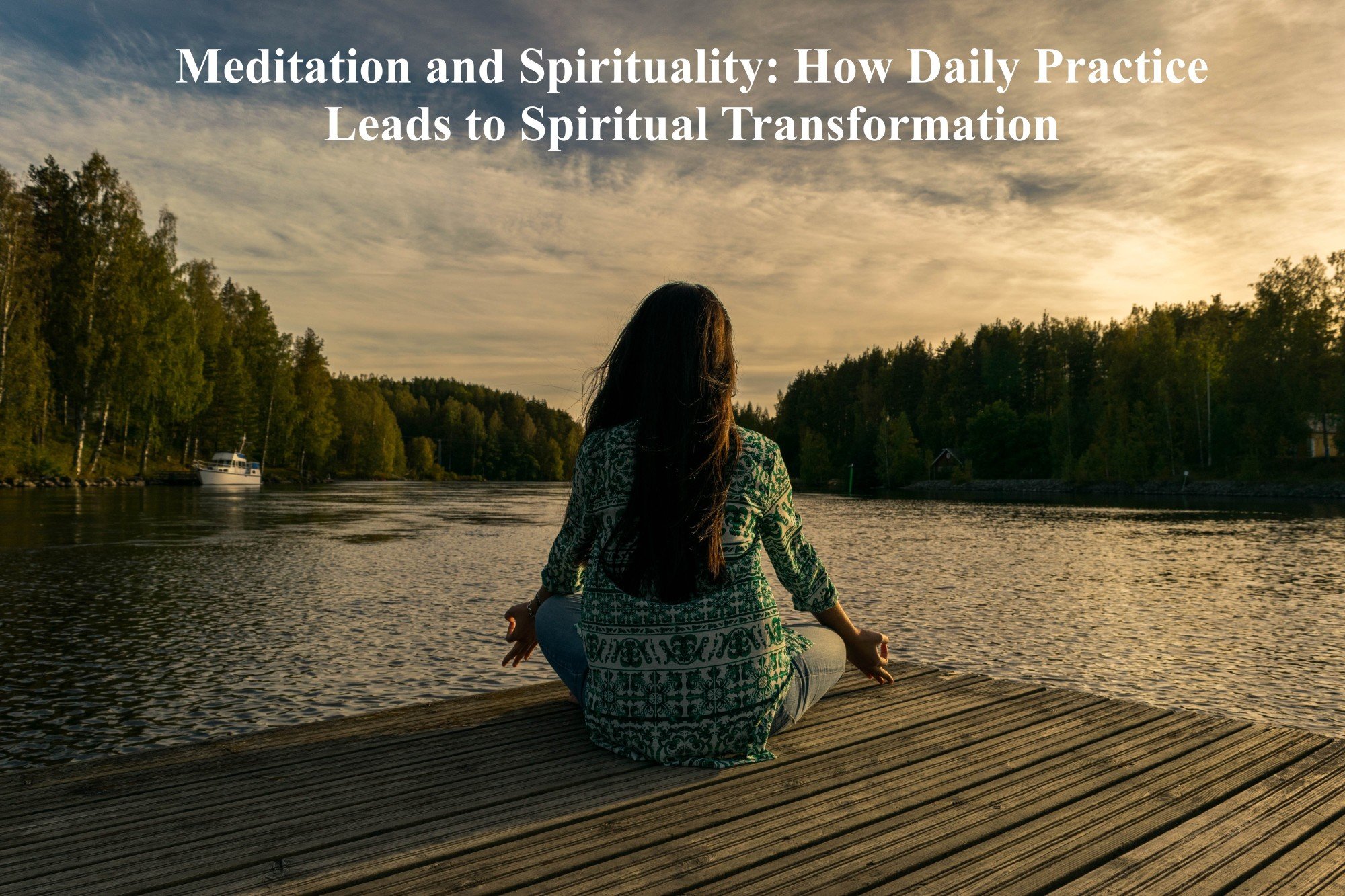
The Art of Inner Reflection: A Guide to Meditation Retreats

In today’s fast-paced world, it’s easy to get caught up in the hustle and bustle of daily life, leaving little room for self-reflection and personal growth. Meditation retreats offer a unique opportunity to step away from the chaos and focus on cultivating inner peace, clarity, and a deeper connection with oneself. These retreats provide a serene and supportive environment, allowing you to quiet your mind, recharge your batteries, and rediscover your inner strength.

1. What is a Meditation Retreat?

A meditation retreat is a residential program that typically lasts from a few days to several weeks, where individuals come together to practice meditation, yoga, and other mindfulness techniques. The primary goal of these retreats is to provide a peaceful and distraction-free environment, allowing participants to focus on their inner journey and spiritual growth. Meditation retreats can be held in various settings, such as secluded monasteries, serene forests, or tranquil coastal towns.

2. Benefits of Attending a Meditation Retreat

Attending a meditation retreat can have a profound impact on your mental, emotional, and physical well-being. Some of the benefits include:

* Reduced stress and anxiety: Meditation retreats provide a peaceful environment, allowing you to let go of worries and concerns, and focus on your inner peace.
* Improved mental clarity: Regular meditation practice can improve your ability to focus, think clearly, and make better decisions.
* Enhanced self-awareness: Meditation retreats offer a unique opportunity to explore your thoughts, emotions, and behaviors, allowing you to gain a deeper understanding of yourself.
* Increased sense of calm and relaxation: The peaceful environment and regular meditation practice can help you cultivate a sense of calm and relaxation, which can stay with you long after the retreat is over.

3. Types of Meditation Retreats

There are various types of meditation retreats, each catering to different needs and preferences. Some common types include:

* General meditation retreats: These retreats focus on teaching various meditation techniques, such as mindfulness, loving-kindness, and transcendental meditation.
* Yoga and meditation retreats: These retreats combine meditation with yoga and other physical practices, such as tai chi or qigong.
* Silent retreats: These retreats involve complete silence, allowing participants to focus on their inner journey and spiritual growth.
* Guided meditation retreats: These retreats are led by experienced meditation teachers, who guide participants through various meditation practices and provide individualized support.

4. How to Choose the Right Meditation Retreat

When selecting a meditation retreat, consider the following factors:

* Location: Choose a location that resonates with you, whether it’s a secluded monastery or a tranquil coastal town.
* Duration: Select a retreat that fits your schedule and preferences, whether it’s a few days or several weeks.
* Focus: Consider what you want to achieve from the retreat, whether it’s stress reduction, improved mental clarity, or spiritual growth.
* Teachers: Look for experienced meditation teachers who have a reputation for providing guidance and support.
* Cost: Meditation retreats can range from affordable to luxurious, so consider your budget and what you’re willing to invest in your personal growth.

5. What to Expect During a Meditation Retreat

During a meditation retreat, you can expect:

* Regular meditation sessions: Participants will gather for group meditation sessions, led by experienced teachers.
* Yoga and physical practices: Many retreats incorporate yoga and other physical practices to help participants cultivate a sense of balance and well-being.
* Workshops and lectures: Some retreats offer workshops and lectures on topics such as mindfulness, self-awareness, and spiritual growth.
* Free time: Participants are encouraged to use their free time to explore the surrounding area, journal, or engage in other activities that nourish their mind, body, and spirit.

6. Preparing for a Meditation Retreat

Before attending a meditation retreat, consider the following:

* Set clear intentions: Reflect on what you hope to achieve from the retreat and set clear intentions for your time there.
* Prepare your body: Engage in regular physical activity and eat a balanced diet to prepare your body for the retreat.
* Leave distractions behind: Leave your phone, computer, and other distractions behind to fully immerse yourself in the retreat experience.
* Be open-minded: Approach the retreat with an open mind and a willingness to learn and grow.

7. What to Bring to a Meditation Retreat

When packing for a meditation retreat, consider bringing:

* Comfortable clothing: Pack comfortable clothing that allows for ease of movement and relaxation.
* Meditation gear: Bring a meditation cushion, blanket, or chair to ensure your comfort during meditation sessions.
* Journal and pen: Bring a journal and pen to record your thoughts, insights, and reflections.
* Water and snacks: Bring water and healthy snacks to keep you nourished throughout the day.
* Personal items: Bring any personal items that bring you comfort and relaxation, such as a favorite book or pillow.

8. Staying Connected After the Retreat

After attending a meditation retreat, it’s essential to stay connected with the practices and insights you gained. Consider:

* Continuing meditation practice: Commit to regular meditation practice to maintain the benefits you gained from the retreat.
* Joining a meditation group: Look for local meditation groups or online communities to stay connected with like-minded individuals.
* Reflecting on your experience: Take time to reflect on your experience and journal about your insights and growth.

9. Conclusion

Meditation retreats offer a unique opportunity to step away from the chaos of daily life and focus on cultivating inner peace, clarity, and spiritual growth. By understanding what to expect, preparing yourself, and staying connected after the retreat, you can maximize your experience and continue to grow and evolve long after the retreat is over. Whether you’re looking to reduce stress, improve mental clarity, or simply reconnect with yourself, a meditation retreat can be a transformative and life-changing experience.

Finding Ways To Keep Up With

On : My Rationale Explained