
What Has Changed Recently With ?

Mastering Auto Repair: A Comprehensive Guide for Car Owners

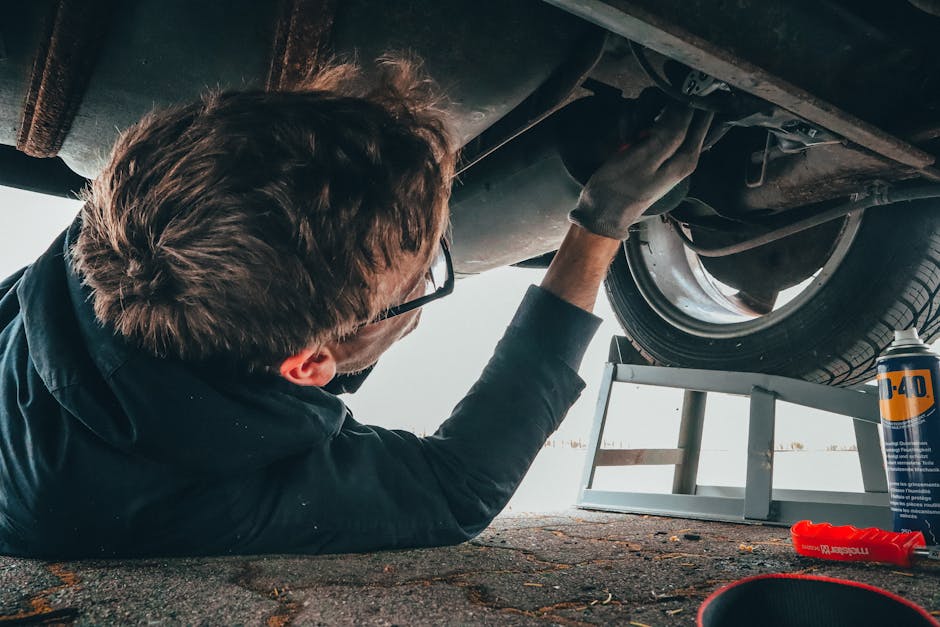
Auto repair is an essential aspect of vehicle ownership that every car owner should understand. Whether you’re dealing with routine maintenance or a sudden breakdown, having a foundational knowledge of auto repair can save you time, money, and hassle. From basic upkeep to identifying complex issues, this guide aims to empower you with the information you need to keep your vehicle running smoothly.

One of the most important steps in auto repair is regular maintenance. Keeping up with oil changes, tire rotations, and brake inspections is crucial for ensuring the longevity of your vehicle. Many people underestimate the impact of neglecting these tasks, which can lead to larger problems down the road. By establishing a maintenance schedule and adhering to it, you can significantly reduce the likelihood of unexpected repairs and maintain optimal performance.

Knowing how to recognize the warning signs of vehicle trouble is also vital. Sounds like grinding when you brake, unusual vibrations, or warning lights on your dashboard often indicate underlying issues that require attention. Familiarizing yourself with your car’s common problems can help you act quickly, preventing further damage and more costly repairs. It’s advisable to consult your vehicle’s manual for information specific to your model and pay attention to any unusual behavior.

When it comes to more complex repairs, not all tasks are suitable for DIY enthusiasts. While changing a tire or replacing wiper blades can be straightforward, more intricate situations may call for professional assistance. Understanding when to seek help is crucial. A qualified mechanic can provide expert diagnostics and solutions, ensuring that your vehicle is in good hands. Always look for reputable, certified auto repair shops in your area that come highly recommended.

In conclusion, mastering the basics of auto repair can enhance your confidence as a car owner. By committing to regular maintenance, closely monitoring your vehicle’s performance, and knowing when to call a professional, you can ensure your car stays reliable and efficient. Being proactive about auto repair not only saves you money but also contributes to your safety on the road. With this knowledge, you’re better equipped to handle whatever challenges come your way with your vehicle.

Looking On The Bright Side of

Smart Tips For Uncovering

Leave a Reply

Your email address will not be published. Required fields are marked *

Related Post

Overwhelmed by the Complexity of ? This May HelpOverwhelmed by the Complexity of ? This May Help

Roll Off Monroe County: Your Guide to Efficient Waste Management

Managing waste can be a challenging task, especially when dealing with large quantities of debris or junk. Whether you are renovating your home, cleaning out your garage, or working on a construction project, you will likely need a reliable waste management solution to handle the disposal of materials efficiently. This is where roll off Monroe County services come into play.

Roll off dumpsters are large containers that are designed to be transported and emptied by specialized trucks. They are an excellent option for managing waste removal, as they provide a convenient and cost-effective way to dispose of various types of debris. If you are considering renting a roll off dumpster for your next project, here is everything you need to know to make the process as smooth as possible.

Size Matters
One of the first things to consider when renting a roll off dumpster is the size that will best suit your needs. Roll off dumpsters come in various sizes, typically ranging from 10 to 40 cubic yards. The size you choose will depend on the amount and type of waste you need to dispose of. If you are unsure which size would be best for you, it is helpful to speak with a representative from the waste management company. They can assess your needs and recommend the appropriate size for your project.

Proper Placement
Before your roll off dumpster is delivered, you will need to decide on the best location for placement. It is essential to choose a flat, stable surface that can support the weight of the dumpster. Avoid placing the dumpster on soft ground or areas with sloping terrain, as this can lead to instability or damage. Additionally, make sure there are no obstacles in the way that could hinder the delivery or removal of the dumpster.

Know What You Can Dispose Of
While roll off dumpsters are versatile in what they can hold, there are specific restrictions on what can be disposed of in them. Hazardous materials, such as chemicals, paint, tires, and electronics, are typically not allowed in roll off dumpsters. It is essential to familiarize yourself with the waste management company’s guidelines to avoid any issues or additional fees. If you are unsure whether a particular item can be disposed of in the dumpster, it is best to ask before tossing it in.

Fill It Up Properly
When loading your roll off dumpster, it is essential to do so correctly to ensure safety and efficiency. Start by placing heavier items on the bottom and fill the dumpster evenly to distribute the weight. Avoid overfilling the dumpster, as this can pose a safety hazard during transportation. Most waste management companies have specific guidelines on how high the dumpster can be filled, so be sure to follow these instructions to avoid any penalties.

Schedule Pickup
Once you have filled the dumpster or completed your project, it is time to schedule pickup. Contact the waste management company to arrange a convenient time for the dumpster to be picked up. Keep in mind that additional charges may apply if you exceed the rental period or if the dumpster is overloaded. By planning ahead and coordinating the pickup in advance, you can ensure a smooth and hassle-free experience.

Environmental Impact
Proper waste management is not only essential for efficient disposal but also for minimizing the environmental impact. By using a roll off dumpster, you can consolidate your waste in one location, making it easier to recycle or dispose of responsibly. Separating recyclable materials from general waste can help reduce the amount of trash that ends up in landfills, benefiting the environment and conserving valuable resources.

Cost Considerations
When renting a roll off dumpster, it is important to factor in the cost of the service. Prices can vary depending on the size of the dumpster, the duration of the rental, and any additional fees for exceeding weight limits or prohibited items. Shop around and compare quotes from different waste management companies to find the best deal for your budget. Keep in mind that investing in a quality waste management solution can ultimately save you time and money in the long run.

In conclusion, roll off dumpsters are a convenient and efficient option for managing waste removal during various projects. By selecting the right size, placing the dumpster properly, following guidelines on what can be disposed of, and scheduling pickup promptly, you can ensure a seamless waste management experience. Remember to consider the environmental impact of your waste disposal and explore recycling options whenever possible. With proper planning and attention to detail, you can effectively manage your waste with a roll off Monroe County service.

The Beginner’s Guide to

Looking On The Bright Side of

Lessons Learned from Years withLessons Learned from Years with

The Art of Maui Tree Removal: A Guide to Safely and Effectively Removing Trees on the Island

Maui, with its lush green landscapes and tropical climate, is a paradise for nature lovers and tree enthusiasts. However, with the beauty of nature comes the responsibility of maintaining and caring for the trees that surround us. Sometimes, this means removing trees that are no longer healthy or are posing a threat to people and property. In this article, we will explore the art of Maui tree removal, providing you with a comprehensive guide on how to safely and effectively remove trees on the island.

Before we dive into the process of tree removal, it’s essential to understand the importance of hiring a professional arborist. While it may seem like a simple task to remove a tree, it requires specialized knowledge, skills, and equipment to ensure the job is done safely and efficiently. A professional arborist has the training and experience to assess the tree’s condition, identify potential hazards, and develop a plan to remove the tree without causing damage to surrounding structures or the environment.

One of the most critical factors to consider when removing a tree is the safety of those involved. This includes the arborist, their crew, and anyone else in the surrounding area. A professional arborist will take necessary precautions to ensure everyone’s safety, including wearing personal protective equipment, using proper lifting techniques, and maintaining a safe distance from power lines and other hazards.

Another crucial aspect of Maui tree removal is the environmental impact. Trees play a vital role in maintaining the island’s ecosystem, providing shade, shelter, and habitat for a variety of plants and animals. When removing a tree, it’s essential to minimize the disruption to the surrounding environment, including preserving as much of the tree’s root system as possible and replanting with native species.

So, how do you go about finding a reputable and experienced arborist on Maui? The first step is to research local companies and individuals who specialize in tree removal. Look for companies that are licensed, insured, and certified by organizations such as the International Society of Arboriculture (ISA). Check online reviews and ask for referrals from friends, family, or neighbors who have had similar experiences.

Once you’ve identified a few potential candidates, it’s essential to schedule a consultation to discuss your specific needs and concerns. A reputable arborist will take the time to assess the tree’s condition, provide a detailed estimate of the removal process, and answer any questions you may have.

When it comes to the actual removal process, there are several methods that can be used, depending on the size and type of tree. For smaller trees, a professional arborist may use a combination of hand tools, such as pruning saws and loppers, to carefully remove the branches and trunk. For larger trees, specialized equipment, such as cranes and chippers, may be necessary to safely and efficiently remove the tree.

In addition to the physical removal of the tree, a professional arborist will also take care of any necessary cleanup, including removing debris and stump grinding. This is an essential step in the process, as it helps to prevent damage to surrounding structures and ensures the area is safe and clean.

In conclusion, Maui tree removal is a complex process that requires specialized knowledge, skills, and equipment. By hiring a professional arborist, you can ensure the job is done safely and efficiently, while also minimizing the environmental impact. Remember to research local companies and individuals, schedule a consultation, and ask the right questions to find the best arborist for your specific needs. With the right expertise and equipment, you can rest assured that your tree removal experience will be a success.

Maui Tree Removal: What to Expect

When it comes to Maui tree removal, there are several factors to consider, including the size and type of tree, the location, and the reason for removal. Here are some common scenarios and what you can expect:

Scenario 1: Small Tree Removal

* Size: Small to medium-sized trees (less than 20 feet tall)
* Method: Hand tools, such as pruning saws and loppers, are used to carefully remove the branches and trunk.
* Cleanup: Debris is removed, and the area is cleaned up.

Scenario 2: Large Tree Removal

* Size: Large trees (over 20 feet tall)
* Method: Specialized equipment, such as cranes and chippers, is used to safely and efficiently remove the tree.
* Cleanup: Debris is removed, and the area is cleaned up.

Scenario 3: Dead or Hazardous Tree Removal

* Reason: The tree is dead, dying, or hazardous to people and property.
* Method: A professional arborist will assess the tree’s condition and develop a plan to remove it safely and efficiently.
* Cleanup: Debris is removed, and the area is cleaned up.

Scenario 4: Land Clearing

* Reason: The tree is being removed to make way for construction or development.
* Method: A professional arborist will assess the area and develop a plan to remove the trees and clear the land.
* Cleanup: Debris is removed, and the area is cleaned up.

Maui Tree Removal: Tips and Tricks

When it comes to Maui tree removal, there are several tips and tricks to keep in mind, including:

* Always hire a professional arborist to ensure the job is done safely and efficiently.
* Research local companies and individuals to find the best arborist for your specific needs.
* Schedule a consultation to discuss your specific needs and concerns.
* Ask the right questions, including what equipment will be used, what the removal process will entail, and what cleanup will be included.
* Be prepared for the removal process, including having a plan in place for debris removal and cleanup.

By following these tips and tricks, you can ensure a successful Maui tree removal experience, while also minimizing the environmental impact and ensuring the safety of those involved.

3 Tips from Someone With Experience

What I Can Teach You About
A Quick History ofA Quick History of

The Art of Crane Operations: A Comprehensive Guide

When it comes to heavy lifting and material handling, cranes are the unsung heroes of the construction and industrial world. These towering machines are capable of lifting and moving massive loads with precision and accuracy, making them an essential tool for a wide range of industries. However, operating a crane requires a high level of skill, knowledge, and attention to detail. In this article, we’ll delve into the world of crane operations, exploring the different types of cranes, their uses, and the importance of proper training and safety protocols.

Types of Cranes

There are several types of cranes, each designed for specific applications and environments. The most common types of cranes include:

1. Tower Cranes: These cranes are fixed to the ground and consist of a vertical mast or tower that supports the crane’s boom. Tower cranes are commonly used in urban construction projects, such as high-rise buildings and bridges.
2. Mobile Cranes: Mobile cranes are designed for use on a variety of terrain, including rough and uneven surfaces. They are often used for heavy lifting and material handling in construction, mining, and industrial settings.
3. Crawler Cranes: Crawler cranes are similar to mobile cranes but are designed for use on soft or uneven terrain. They are often used in mining, construction, and industrial settings where the ground is unstable or difficult to access.
4. Overhead Cranes: Overhead cranes are designed for use in industrial settings, such as factories and warehouses. They are typically suspended from the ceiling or a gantry system and are used for lifting and moving heavy loads.
5. Aerial Cranes: Aerial cranes are designed for use in aerial applications, such as lifting and moving heavy loads in the air. They are often used in construction, mining, and industrial settings where access is limited.

Uses of Cranes

Cranes are used in a wide range of industries and applications, including:

1. Construction: Cranes are used in construction projects to lift and move heavy materials, such as steel beams, concrete blocks, and heavy machinery.
2. Industrial: Cranes are used in industrial settings to lift and move heavy loads, such as machinery, equipment, and materials.
3. Mining: Cranes are used in mining operations to lift and move heavy loads, such as ore, coal, and heavy machinery.
4. Transportation: Cranes are used in transportation applications, such as lifting and moving heavy loads, such as ships, boats, and aircraft.
5. Emergency Response: Cranes are used in emergency response situations, such as lifting and moving heavy debris, equipment, and materials in the aftermath of natural disasters.

Importance of Proper Training and Safety Protocols

Operating a crane requires a high level of skill, knowledge, and attention to detail. It’s essential to ensure that crane operators receive proper training and follow strict safety protocols to avoid accidents and ensure the safe operation of the crane. Some of the key safety protocols include:

1. Regular Maintenance: Regular maintenance is essential to ensure that the crane is in good working condition and to prevent mechanical failures.
2. Operator Training: Crane operators must receive proper training and certification to ensure that they are equipped to operate the crane safely and effectively.
3. Load Calculation: Load calculation is critical to ensure that the crane is capable of lifting and moving the load safely and efficiently.
4. Safety Equipment: Safety equipment, such as hard hats, safety glasses, and earplugs, must be worn at all times when operating a crane.
5. Communication: Clear communication is essential to ensure that all personnel involved in the crane operation are aware of the load, the crane’s capabilities, and any potential hazards.

Conclusion

In conclusion, cranes are an essential tool in a wide range of industries and applications. From construction and industrial settings to mining and transportation, cranes are used to lift and move heavy loads with precision and accuracy. However, operating a crane requires a high level of skill, knowledge, and attention to detail. It’s essential to ensure that crane operators receive proper training and follow strict safety protocols to avoid accidents and ensure the safe operation of the crane. By understanding the different types of cranes, their uses, and the importance of proper training and safety protocols, you can ensure that your crane operation is safe, efficient, and effective.

A Beginners Guide To

Doing The Right Way