The Beginner’s Guide to

Maximizing Your Storage Space Device: Tips for Company and Efficiency
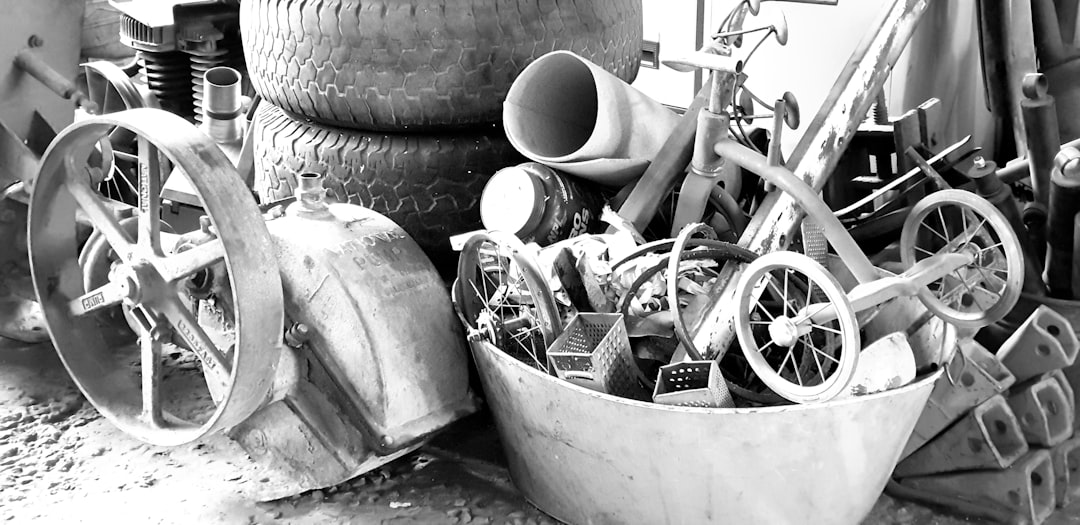
Storage space units can be a lifesaver for those in need of added space, whether it’s due to downsizing, moving, or simply decluttering. Nevertheless, having a storage system is only half the battle; it’s equally important to make the most of the available space efficiently. This article will provide you with practical suggestions on just how to arrange your storage space unit efficiently, guaranteeing that you can quickly access your items whenever required.

Primarily, consider your company strategy prior to you start packing. Classifying your products is important. Team similar products with each other– for instance, keep seasonal decorations, sports equipment, and furnishings in separate locations. This not just makes it much easier to discover what you need later yet additionally helps in reducing the risk of damages to delicate things. Utilizing clear plastic bins can be exceptionally useful, as they allow for easy presence and defense versus insects and wetness.

Another vital element of maximizing your storage space unit is using vertical room. Many individuals tend to ignore the height of their storage systems. Buying shelving devices can assist you take advantage of this often-neglected area. Location larger items under and pile smaller sized boxes on the top. If you have things that are as well big to fit on shelves, take into consideration positioning them versus the back wall surface of the unit to develop aisles for less complicated accessibility. Guarantee that nothing is blocking your pathway to regularly made use of items, as this will certainly additionally conserve you effort and time when looking for points.

In addition, labeling is a crucial component of any reliable storage space strategy. Clearly label each box, container, or bag with its components. This not just assists you discover what you need rapidly but likewise helps you remember what you have stored. You can additionally create a stock checklist, which must consist of thing descriptions and their specific areas within the system. This written document can be vital, especially if your storage unit ends up being a temporary service over a longer duration.

In conclusion, keeping your storage unit well-organized and efficient can conserve you time and trouble over time. By categorizing your items, making use of upright area, and carrying out a strong labeling system, you can make sure that your storage unit offers its purpose without coming to be a chaotic assortment of items. Taking the time to establish an organized storage remedy will certainly settle greatly when it comes to accessing your ownerships and maintaining a clutter-free setting in your house.

What You Should Know About This Year

If You Read One Article About , Read This One

Leave a Reply

Your email address will not be published. Required fields are marked *

Related Post

The Key Elements of GreatThe Key Elements of Great

The Importance of Stormwater Filtration Systems: Protecting Our Waterways and Communities

Stormwater runoff is a significant environmental issue that affects communities worldwide. As rainwater flows over urban surfaces, it picks up pollutants, debris, and sediment, carrying them into our waterways and posing a threat to aquatic ecosystems and human health. To mitigate this problem, stormwater filtration systems have become a crucial component of urban infrastructure. In this article, we’ll delve into the importance of stormwater filtration systems, their benefits, and how they can be effectively implemented.

Stormwater runoff is a major contributor to water pollution, as it carries pollutants and contaminants into our waterways. These pollutants can come from a variety of sources, including urban runoff, agricultural runoff, and industrial activities. When stormwater enters our waterways, it can harm aquatic life, contaminate drinking water sources, and even pose a risk to human health. For example, stormwater runoff can carry pollutants like heavy metals, pesticides, and bacteria, which can be harmful to humans and wildlife.

Stormwater filtration systems are designed to capture and remove pollutants from stormwater runoff before it enters our waterways. These systems typically consist of a network of pipes, pumps, and treatment units that work together to filter out pollutants and sediment. The most common types of stormwater filtration systems include:

1. Sedimentation basins: These basins use gravity to separate sediment and pollutants from stormwater runoff.
2. Wetlands: Natural or constructed wetlands can be used to filter out pollutants and sediment from stormwater runoff.
3. Biofiltration systems: These systems use vegetation and soil to filter out pollutants and sediment from stormwater runoff.
4. Sand filters: Sand filters use sand and gravel to remove pollutants and sediment from stormwater runoff.

Stormwater filtration systems offer numerous benefits, including:

1. Improved water quality: By removing pollutants and sediment from stormwater runoff, these systems can significantly improve water quality.
2. Reduced erosion: Stormwater filtration systems can help reduce erosion by slowing down stormwater runoff and allowing it to infiltrate the soil.
3. Increased property values: Communities with effective stormwater filtration systems can experience increased property values, as residents and businesses are more likely to invest in areas with clean and healthy waterways.
4. Compliance with regulations: Stormwater filtration systems can help communities comply with federal and state regulations regarding stormwater runoff.

Implementing stormwater filtration systems requires careful planning and design. Here are some key considerations:

1. Site selection: Stormwater filtration systems should be located in areas with high stormwater runoff volumes and pollutant loads.
2. System design: The design of the stormwater filtration system should take into account the specific needs of the community, including the type and amount of pollutants present in the stormwater runoff.
3. Maintenance: Regular maintenance is crucial to ensure the effectiveness of stormwater filtration systems. This includes cleaning and inspecting the system, as well as monitoring water quality.
4. Public education: Public education and outreach are essential to ensure that residents and businesses understand the importance of stormwater filtration systems and how they can contribute to their effectiveness.

In conclusion, stormwater filtration systems are a critical component of urban infrastructure, playing a vital role in protecting our waterways and communities. By understanding the importance of these systems, their benefits, and how they can be effectively implemented, we can work towards creating healthier, more sustainable communities for generations to come.

A Quick Overlook of – Your Cheatsheet

5 Key Takeaways on the Road to Dominating

A Quick Overlook of – Your CheatsheetA Quick Overlook of – Your Cheatsheet

Revamp Your Space: A Comprehensive Guide to Furniture Repair

Whether you have a cherished piece of furniture that has seen better days or you’ve stumbled upon a gem at a thrift store in need of some TLC, furniture repair is a valuable skill to have. With a little know-how and elbow grease, you can breathe new life into your furniture and create a stunning centerpiece for your space. In this guide, we will walk you through the basics of furniture repair, from identifying common issues to tackling repairs like a pro.

Identifying the Problem

Before you can begin repairing your furniture, you need to identify the root of the issue. Common problems include scratches, dents, loose joints, and worn finishes. Take a close look at your furniture piece and assess the damage. Is the surface scratched or gouged? Are there loose screws or joints? Once you’ve pinpointed the problem areas, you can move on to the next step – determining the best course of action.

Choosing the Right Tools and Materials

Depending on the type of damage your furniture has sustained, you will need different tools and materials to repair it. For surface scratches and dents, you may need wood filler, sandpaper, and a touch-up pen. Loose joints can be fixed with wood glue, clamps, and screws. Worn finishes may require stripping, sanding, and refinishing. Make sure to gather all the necessary tools and materials before you begin the repair process to ensure a smooth workflow.

Executing the Repair

Now that you have identified the problem and gathered the right tools and materials, it’s time to start repairing your furniture. Follow these steps for a successful repair:

1. Clean the surface: Before you begin any repairs, make sure to clean the furniture piece thoroughly. This will remove dirt, grime, and any loose debris that could interfere with your repair efforts.

2. Repair scratches and dents: Fill in any scratches or dents with wood filler, following the manufacturer’s instructions. Once the filler has dried, sand the area smooth and touch up with a matching stain or paint.

3. Fix loose joints: Apply wood glue to the loose joint and use clamps to hold it in place while the glue dries. You can reinforce the joint with screws for added stability.

4. Refinish worn surfaces: If your furniture piece has a worn finish, you may need to strip the old finish, sand the surface, and apply a fresh coat of stain or paint. Make sure to follow the proper steps for refinishing to achieve a professional-looking result.

5. Final touches: Once the repairs are complete, give your furniture a final inspection to ensure everything is in order. You can also add decorative elements, such as new hardware or upholstery, to enhance the overall look of the piece.

Maintaining Your Repaired Furniture

After you have successfully repaired your furniture, it’s important to maintain it properly to prolong its lifespan. Avoid placing heavy objects on delicate surfaces, use coasters to protect against water stains, and regularly dust and clean your furniture to prevent dirt buildup. By taking good care of your repaired furniture, you can enjoy it for years to come.

In conclusion, furniture repair is a valuable skill that can save you money and help you create a personalized and unique space. By following the steps outlined in this guide and investing time and effort into your repairs, you can transform your furniture pieces into stunning works of art. So gather your tools, roll up your sleeves, and get ready to revamp your space with the power of furniture repair.

Getting To The Point –

If You Think You Understand , Then Read This

Interesting Research on – What No One Ever Told YouInteresting Research on – What No One Ever Told You

Exploring the World of Small Work Boats: A Guide to Finding the Perfect Vessel for Your Needs

When it comes to small work boats, there are many options available on the market. From fishing boats to rescue vessels, these compact craft are designed to get the job done in a variety of settings. Whether you’re a commercial operator or a recreational enthusiast, finding the right small work boat can be a daunting task. In this article, we’ll explore the world of small work boats, highlighting the key features and benefits of these versatile vessels.

1. Types of Small Work Boats

Small work boats come in a range of shapes and sizes, each designed to suit specific tasks and environments. Some common types of small work boats include:

* Fishing boats: Designed for commercial and recreational fishing, these boats are typically equipped with specialized gear and equipment.
* Rescue vessels: Built for emergency response, these boats are designed to quickly and safely transport personnel and equipment to areas of need.
* Work boats: General-purpose vessels used for a variety of tasks, such as transporting personnel, equipment, and supplies.
* Pilot boats: Designed to transport pilots and crew to and from vessels, these boats are typically equipped with specialized communication equipment.

2. Key Features to Consider

When shopping for a small work boat, there are several key features to consider. These include:

* Size and capacity: Consider the number of people and equipment you need to transport, as well as the available space on the boat.
* Power and propulsion: Choose a boat with a reliable and efficient power source, such as a diesel or gasoline engine.
* Stability and maneuverability: A stable and maneuverable boat is essential for safe and effective operation.
* Safety features: Look for boats equipped with safety features such as life jackets, flares, and emergency beacons.

3. Benefits of Small Work Boats

Small work boats offer a range of benefits, including:

* Versatility: These boats can be used for a variety of tasks, from fishing to rescue operations.
* Affordability: Small work boats are often more affordable than larger vessels, making them a cost-effective option for many operators.
* Ease of operation: Many small work boats are designed to be easy to operate, even for those with limited experience.
* Environmental benefits: Small work boats often produce fewer emissions and have a lower environmental impact than larger vessels.

4. How to Find the Right Small Work Boat

Finding the right small work boat can be a challenging task, but there are several steps you can take to ensure you find the perfect vessel for your needs. These include:

* Research: Research different types of small work boats and their features to determine which one is best suited to your needs.
* Consult with experts: Consult with experts in the field, such as boat builders, operators, and maintenance personnel, to gain a better understanding of the pros and cons of different boats.
* Test drive: Test drive several boats to get a feel for their performance and handling.
* Inspect: Inspect the boat thoroughly, paying attention to its condition, maintenance history, and any necessary repairs.

5. Maintenance and Repair

Regular maintenance and repair are essential for keeping your small work boat in top condition. Some tips for maintaining your boat include:

* Regular cleaning: Clean your boat regularly to prevent the buildup of dirt and debris.
* Oil changes: Regularly change the oil in your boat’s engine to prevent wear and tear.
* Inspections: Regularly inspect your boat for signs of damage or wear, and address any issues promptly.
* Storage: Store your boat in a dry, protected area to prevent damage from the elements.

6. Safety Considerations

Safety is a top priority when operating a small work boat. Some key safety considerations include:

* Life jackets: Ensure that all passengers and crew members are wearing life jackets at all times.
* Communication equipment: Ensure that your boat is equipped with reliable communication equipment, such as radios and GPS.
* Emergency beacons: Install emergency beacons, such as EPIRBs, to ensure that you can be quickly located in the event of an emergency.
* Weather monitoring: Monitor weather conditions regularly to ensure that you are aware of any potential hazards.

7. Financing Options

Financing a small work boat can be a challenge, but there are several options available. Some options include:

* Loans: Consider taking out a loan to finance your boat purchase.
* Leasing: Leasing a boat can be a cost-effective option, as you only pay for the use of the vessel.
* Grants and subsidies: Research grants and subsidies available for small work boat operators, such as those related to environmental or economic development initiatives.

8. Insurance Options

Insurance is an essential consideration for small work boat operators. Some key insurance options include:

* Hull insurance: Protect your boat from damage or loss with hull insurance.
* Liability insurance: Protect yourself and your business from liability claims with liability insurance.
* Cargo insurance: Protect your cargo or equipment from damage or loss with cargo insurance.

9. Conclusion

Small work boats are versatile, affordable, and easy to operate, making them an attractive option for many operators. By considering the key features, benefits, and maintenance requirements of these vessels, you can find the perfect small work boat for your needs. Remember to prioritize safety, research financing options, and consider insurance coverage to ensure a successful and profitable operation.

What Do You Know About

Getting Creative With Advice