A 10-Point Plan for (Without Being Overwhelmed)

Unlocking Glowing Skin: The Crucial Guide to Skincare

Skin care is an all natural technique to preserving the health and wellness and beauty of your skin, which is the body’s largest organ. A regular skincare regimen not only improves your appearance but additionally shields your skin from environmental damages and aging. With numerous items and trends making their way right into the appeal industry, understanding the fundamentals of skin care can considerably improve your skin’s appearance, tone, and overall health.

At the core of any type of reliable skincare routine lies the fundamental concepts: cleaning, moisturizing, and securing. Cleansing assists to eliminate dust, oil, and pollutants from the skin’s surface, stopping breakouts and making sure that other items can permeate successfully. Picking a mild cleanser that fits your skin kind is vital– whether it’s oily, completely dry, combination, or sensitive. After cleansing, moisturizing your skin with a proper cream helps to preserve its wetness balance and barrier feature, maintaining dry skin and irritation at bay.

In addition to cleaning and moisturizing, sunlight protection is paramount in any skin care regimen. UV exposure can result in early aging, sunburn, and increased risks of skin cancer. Including a broad-spectrum sun block with an SPF of at least 30 into your daily routine can dramatically enhance your skin’s long-term health and wellness. Keep in mind that also on gloomy days or when inside, UV rays can still impact your skin, making daily application crucial.

Past these fundamental actions, it’s important to attend to specific skin concerns with targeted therapies. This can consist of lotions with components like vitamin C for brightening, hyaluronic acid for hydration, or retinoids for advertising cell turnover. Recognizing your skin’s distinct requirements allows you to tailor your routine with items that properly resolve your problems, causing noticeably healthier skin in time.

In conclusion, an all-around skin care regimen is an investment in your skin’s health and elegance. By focusing on cleaning, moisturizing, sunlight protection, and targeted treatments, you create the foundation for glowing skin. Remember, consistency is vital, and it might take some time to see considerable outcomes. Welcome your skincare journey and commemorate the originality of your skin!
Getting Down To Basics with

News For This Month:

Leave a Reply

Your email address will not be published. Required fields are marked *

Related Post

The Essential Laws of ExplainedThe Essential Laws of Explained

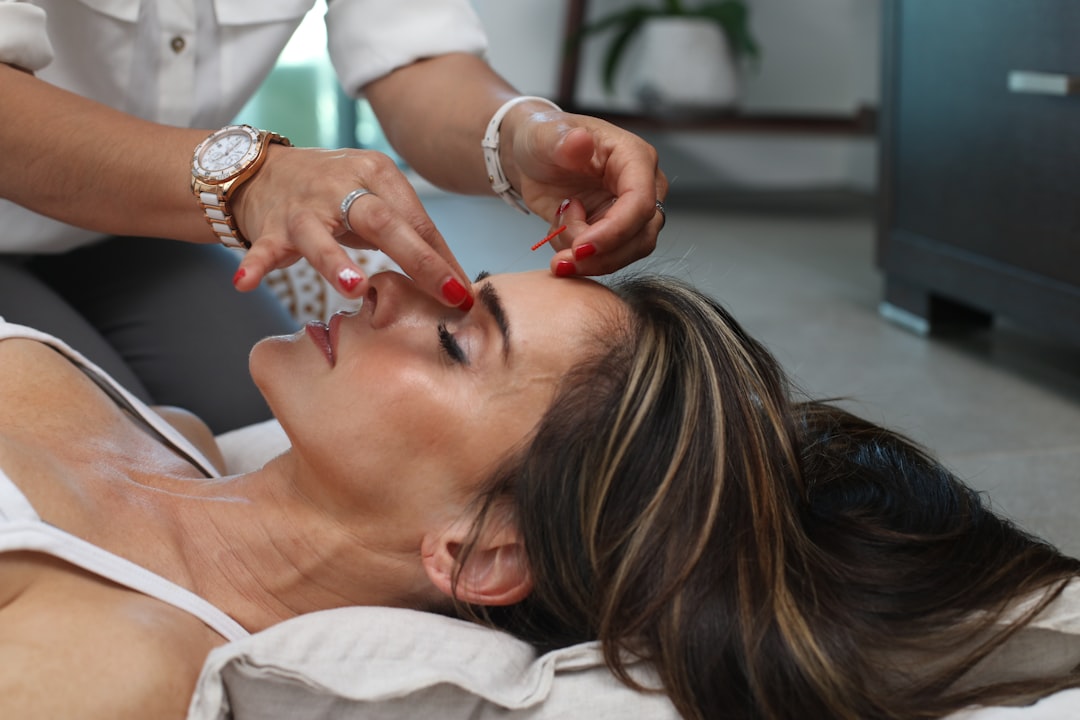
What You Need to Know about Acupuncture Services

The truth is that not all people are familiar with or know exactly what acupuncture is and what it is for. Perhaps, you are one of those who merely have overheard acupuncture and have an inkling it is good for the health.

Acupuncture is an endorsed medicinal treatment by the World Health Organization. It has been known to cure a wide variety of both chronic and mild illnesses, some of which are asthma, chronic pain, insomnia, depression and anxiety. Do you know of an acupuncture clinic near you?

Different Kinds of Acupuncture Services

There are a wide variety of acupuncture services available in different acupuncture clinics. The availability of these services and how these are applied to patients often distinguish one acupuncture clinic from another. Meanwhile, here is a list of the different acupuncture services and their respective health benefits.

1. Traditional Chinese Acupuncture

This type of acupuncture involves the insertion of needles into the patient’s body. The placement of the needles on the body parts are determined by so-called points. The balancing of energy by way of these needles helps in the curing of a wide gamut of ailments. Auricular acupuncture also forms part of the traditional Chinese acupuncture. It is said that the ear represents the patient’s entire body. Acupuncture by the ear has been known to effectively treat stress, addiction and pain. There is also a scalp acupuncture is the traditional Chinese. More than that, Japanese and Korean cultures have been adopting acupuncture aside from the Chinese.

2. Electroacupuncture

Another type of acupuncture service is the electroacupuncture. As the name implies, it involves the employment of electrical current in the needles used for the treatment. This specific kind of acupuncture has been utilized for the treatment of pain problems as well as of musculoskeletal ailments. Many countries in the America are already using electroacupuncture. If you visit an acupuncture clinic near you today, you probably will find electroacupuncture service.

3. Pediatric Acupuncture

Pediatric acupuncture is the collection of acupuncture services that are intended for young patients or children. The techniques utilized are appropriate for children and most of the time non-invasive. For instance, in lieu of needles, which are adopted in the adult acupuncture services, laser acupuncture or acupressure is employed. This means that even patients at tender ages can experience the benefit that acupuncture as a type of traditional medicine.

There are many kinds of acupuncture services to pick between. Each one has their own identifying characteristics and systems. All of which, nonetheless, are intended to cure specific health concerns as well as wellness aims. It can be noted that in some modern acupuncture clinics, a combination of the different kinds of acupuncture techniques is being offered. If you are experiencing a certain health issue right now, you may want to consider the idea of visiting an acupuncture clinic that is near to you. This might be the perfect time to be healed completely from an ailment being suffered for a number of years now.

The Essentials of – Breaking Down the Basics

Getting Creative With Advice

The Ultimate Guide toThe Ultimate Guide to

The Power of Physical Therapy: Unlocking a Healthier You

Physical therapy is a vital component of the healthcare system, providing individuals with the tools and techniques necessary to overcome injuries, manage chronic conditions, and improve overall well-being. As a vital part of the healthcare continuum, physical therapy plays a crucial role in promoting healthy lifestyles, preventing injuries, and reducing healthcare costs. In this article, we will explore the benefits of physical therapy, its applications, and the importance of incorporating it into your healthcare routine.

Physical therapy is a highly specialized field that focuses on the diagnosis, treatment, and prevention of disorders and injuries affecting the musculoskeletal and nervous systems. Physical therapists, or PTs, are trained professionals who use a variety of techniques and modalities to help patients achieve their goals. From rehabilitation after surgery or injury to management of chronic conditions such as arthritis or Parkinson’s disease, physical therapy is a versatile and effective approach to improving overall health.

One of the primary benefits of physical therapy is its ability to reduce pain and improve mobility. Whether you’re recovering from an injury or managing a chronic condition, physical therapy can help alleviate discomfort and improve range of motion. By using a combination of exercises, stretches, and manual therapy techniques, physical therapists can help patients regain strength, flexibility, and coordination. This, in turn, can improve overall quality of life and reduce the risk of future injuries.

In addition to pain management and mobility improvement, physical therapy also plays a critical role in injury prevention. By strengthening muscles, improving flexibility, and enhancing balance and coordination, physical therapy can help reduce the risk of injury and improve overall athletic performance. This is particularly important for individuals who engage in high-risk activities such as sports or construction work, where the risk of injury is higher.

Another significant benefit of physical therapy is its ability to improve overall health and wellness. By incorporating physical therapy into your healthcare routine, you can improve cardiovascular health, boost immune function, and reduce the risk of chronic diseases such as heart disease and diabetes. This is achieved through a combination of exercises, stretches, and lifestyle modifications that promote healthy habits and reduce the risk of chronic disease.

In addition to its physical benefits, physical therapy also has a profound impact on mental health. By providing a safe and supportive environment, physical therapists can help patients overcome anxiety, depression, and other mental health challenges. This is particularly important for individuals who have experienced trauma or are struggling with mental health issues, as physical therapy can provide a sense of control and empowerment.

In the context of Silverdale physical therapy, patients can expect a comprehensive and personalized approach to care. Physical therapists in Silverdale work closely with patients to identify goals and develop a customized treatment plan that addresses specific needs and concerns. This may include a combination of exercises, stretches, and manual therapy techniques, as well as education and lifestyle modifications to promote healthy habits and prevent future injuries.

In conclusion, physical therapy is a powerful tool for improving overall health and wellness. By incorporating physical therapy into your healthcare routine, you can reduce pain and improve mobility, prevent injuries, and improve overall quality of life. Whether you’re recovering from an injury, managing a chronic condition, or simply looking to improve your overall health, physical therapy is a valuable resource that can help you achieve your goals.

Case Study: My Experience With

Figuring Out

Valuable Lessons I’ve Learned AboutValuable Lessons I’ve Learned About

The Importance of Corrosion Failure Analysis in Preventing Costly Damage

Corrosion can be a silent but deadly problem in many industries. From pipelines to bridges, machinery to infrastructure, corrosion can cause significant damage and even failure if left unchecked. That’s why corrosion failure analysis is a crucial process that can help identify the root causes of corrosion and prevent costly damage in the future.

Understanding Corrosion

Corrosion is a natural process that occurs when metal reacts with its environment. This reaction can cause the metal to deteriorate over time, leading to structural weakness and eventual failure. Factors such as moisture, temperature, and exposure to chemicals can all accelerate the corrosion process, making it essential to monitor and address potential issues before they escalate.

Types of Corrosion

There are several types of corrosion that can affect metal structures, each with its own characteristics and causes. Some common types of corrosion include:

– Uniform corrosion: This type of corrosion occurs evenly across the surface of the metal, resulting in a thinning of the material.
– Pitting corrosion: Pitting corrosion creates small pits or holes in the metal, which can weaken its structure.
– Crevice corrosion: Crevice corrosion occurs in areas where moisture and debris can accumulate, such as welds or joints.
– Galvanic corrosion: Galvanic corrosion happens when two different metals are in contact, causing one metal to deteriorate more quickly than the other.
– Stress corrosion cracking: Stress corrosion cracking is a type of corrosion that occurs under tensile stress, leading to cracking and eventual failure.

The Importance of Corrosion Failure Analysis

Corrosion failure analysis is a critical process that can help identify the root causes of corrosion and prevent future damage. By examining the failed metal structures, experts can determine the type of corrosion that occurred, as well as the factors that contributed to its development. This information is crucial for developing effective corrosion prevention strategies and ensuring the longevity of metal structures.

Steps in Corrosion Failure Analysis

Corrosion failure analysis typically involves several key steps, including:

1. Visual inspection: A thorough visual inspection of the failed metal structure can provide valuable insights into the type and extent of corrosion that occurred.
2. Metallographic analysis: Metallographic analysis involves examining samples of the failed metal under a microscope to identify corrosion patterns and potential causes.
3. Chemical analysis: Chemical analysis can help identify the specific chemicals or contaminants that may have contributed to the corrosion process.
4. Mechanical testing: Mechanical testing can assess the structural integrity of the metal and determine if other factors, such as stress or fatigue, played a role in the failure.
5. Corrosion rate calculation: Calculating the corrosion rate can help determine how quickly the metal deteriorated, providing valuable information for future prevention efforts.

Preventing Corrosion Damage

Once the root causes of corrosion have been identified through failure analysis, it’s essential to take proactive steps to prevent future damage. Some effective corrosion prevention strategies include:

– Regular maintenance: Regular inspections and maintenance can help identify and address corrosion issues before they escalate.
– Protective coatings: Applying protective coatings, such as paints or inhibitors, can help shield metal structures from corrosive environments.
– Cathodic protection: Cathodic protection involves using sacrificial anodes or impressed currents to protect metal structures from corrosion.
– Material selection: Choosing the right materials for a specific environment can help prevent corrosion and extend the life of metal structures.
– Environmental monitoring: Monitoring factors such as temperature, humidity, and exposure to chemicals can help identify potential corrosion risks and address them proactively.

In conclusion, corrosion failure analysis is a crucial process that can help identify the root causes of corrosion and prevent costly damage in the future. By understanding the different types of corrosion, conducting a thorough analysis of failed metal structures, and implementing effective prevention strategies, you can protect your assets and ensure the longevity of your metal structures. Don’t wait until it’s too late – invest in corrosion failure analysis today to safeguard against costly damage tomorrow.

A Simple Plan:

Tips for The Average Joe