5 Takeaways That I Learned About

Understanding the Role of a General Contractor

A general contractor plays a pivotal role in the construction industry, acting as the central figure in managing various aspects of a building project. Whether you’re embarking on a home renovation, constructing a commercial building, or developing residential properties, having a skilled general contractor can make the difference between a successful project and a logistical nightmare. General contractors oversee the entire construction process, from initial planning to project completion, ensuring everything runs smoothly and efficiently.

One of the primary responsibilities of a general contractor is to synchronize the work of various subcontractors, including electricians, plumbers, and laborers. This coordination not only involves scheduling different trades to ensure timely completion of various phases of construction, but it also demands effective communication to address issues as they arise. A good general contractor has a deep understanding of the different roles and challenges faced by subcontractors, which enables them to manage resources appropriately and mitigate any potential delays.

In addition to managing trades, general contractors often serve as the point of contact for clients. This relationship is crucial as it helps builders understand the vision and specific needs of the client. As the project progresses, general contractors provide regular updates, ensuring clients are not only informed but also involved in decision-making processes. This open line of communication fosters trust and satisfaction, which can be instrumental when aiming for repeat business or client referrals.

Moreover, a general contractor is responsible for the financial aspect of the construction project. They prepare budgets, estimate costs, and ensure that the project stays within financial constraints. Should any unforeseen expenses arise, a knowledgeable general contractor will navigate these challenges effectively without compromising the project’s integrity. Additionally, they typically handle permits and legal requirements, ensuring that all necessary inspections and regulations are adhered to, thus safeguarding clients from potential legal issues down the line.

In conclusion, the role of a general contractor is multifaceted and essential to the success of any construction project. From orchestrating the work of subcontractors to maintaining a transparent relationship with clients and managing finances, a capable general contractor is fundamental in delivering a project that meets expectations on time and within budget. By understanding these aspects, clients can make informed decisions when hiring a general contractor, ultimately leading to a more successful construction experience.
The Best Advice About I’ve Ever Written

The 10 Commandments of And How Learn More

Leave a Reply

Your email address will not be published. Required fields are marked *

Related Post

Learning The Secrets AboutLearning The Secrets About

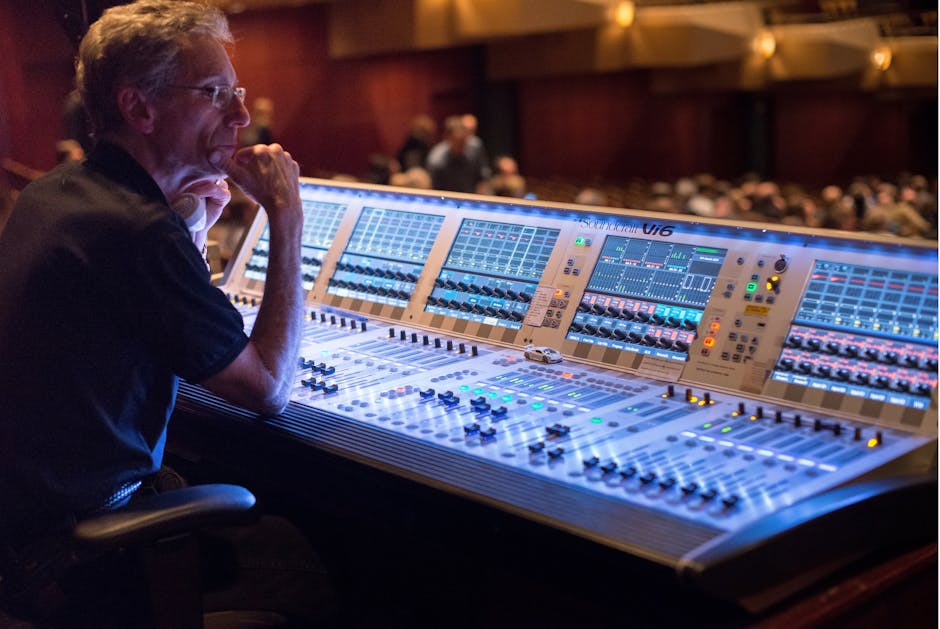
The Art of Stage Lighting Controls: A Comprehensive Guide

When it comes to creating a captivating stage performance, lighting plays a crucial role in setting the mood, highlighting the action, and drawing the audience’s attention. Stage lighting controls are an essential component of this process, allowing lighting designers and technicians to fine-tune the lighting scheme to achieve the desired effect. In this article, we’ll delve into the world of stage lighting controls, exploring the different types, features, and considerations to help you make an informed decision when purchasing stage lighting controls for sale.

Understanding Stage Lighting Controls

Stage lighting controls refer to the systems and devices used to operate and adjust the lighting fixtures on a stage. These controls can be manual, semi-automatic, or fully automated, depending on the level of complexity and precision required. Manual controls typically involve adjusting the lighting fixtures by hand, while semi-automatic controls use pre-programmed settings and automated controls use computer software to operate the lights.

Types of Stage Lighting Controls

1. Dimmer Packs: Dimmer packs are a type of stage lighting control that allow you to adjust the brightness of individual lighting fixtures. They are commonly used in conjunction with dimmable lighting fixtures and can be controlled manually or via a console.
2. Console-Based Systems: Console-based systems use a central control console to operate and adjust the lighting fixtures. These consoles can be manual or automated, and often feature a range of pre-programmed settings and effects.
3. Automated Lighting Systems: Automated lighting systems use computer software to operate and adjust the lighting fixtures. These systems can be programmed to create complex lighting sequences and effects, and are often used in large-scale productions.
4. Wireless Lighting Controls: Wireless lighting controls use radio frequency (RF) or infrared (IR) signals to control the lighting fixtures. These systems are often used in situations where a wired connection is not feasible or practical.

Features to Consider When Purchasing Stage Lighting Controls

1. Compatibility: Ensure that the stage lighting controls you purchase are compatible with your existing lighting fixtures and equipment.
2. Ease of Use: Consider the level of complexity and ease of use required for your specific application. Manual controls may be suitable for small-scale productions, while automated controls may be necessary for large-scale productions.
3. Precision: Consider the level of precision required for your specific application. Automated controls can provide a high level of precision, while manual controls may require more manual adjustment.
4. Scalability: Consider the potential for future expansion and scalability when purchasing stage lighting controls. Automated controls can be easily expanded and reprogrammed, while manual controls may require more significant upgrades.
5. Budget: Consider your budget when purchasing stage lighting controls. Automated controls can be more expensive than manual controls, but may provide a higher level of precision and flexibility.

Considerations for Purchasing Stage Lighting Controls for Sale

1. Quality: When purchasing stage lighting controls for sale, ensure that the products are of high quality and meet your specific requirements.
2. Warranty: Check the warranty offered by the manufacturer and ensure that it meets your needs.
3. Support: Consider the level of support offered by the manufacturer, including technical support and maintenance.
4. Compatibility: Ensure that the stage lighting controls you purchase are compatible with your existing equipment and lighting fixtures.
5. Budget: Consider your budget when purchasing stage lighting controls for sale. Automated controls can be more expensive than manual controls, but may provide a higher level of precision and flexibility.

Conclusion

Stage lighting controls are an essential component of any stage production, allowing lighting designers and technicians to fine-tune the lighting scheme to achieve the desired effect. When purchasing stage lighting controls for sale, it’s essential to consider the type of control, features, and compatibility with your existing equipment and lighting fixtures. By doing so, you can ensure that your stage lighting controls meet your specific requirements and provide a high-quality performance.

Smart Ideas: Revisited

Lessons Learned from Years with

5 Takeaways That I Learned About5 Takeaways That I Learned About

Comprehensive Guide to Tampa Dog Obedience Training
Dog obedience training is an essential aspect of responsible pet ownership, fostering a harmonious relationship between dogs and their owners while ensuring the safety and well-being of both. In Tampa, dog obedience training services are tailored to meet the diverse needs of dog owners, offering various methods and programs to address different behavioral issues and training goals. This guide delves into the significance of dog obedience training, the types of training available in Tampa, the benefits of professional training, and tips for selecting the right trainer or program.

Importance of Dog Obedience Training
Dog obedience training is crucial for several reasons. Firstly, it helps in establishing clear communication between the dog and the owner. Commands such as sit, stay, come, and heel are not just tricks but essential tools for managing a dog’s behavior in various situations. Proper training ensures that dogs understand and respond to their owner’s commands, enhancing safety for both the dog and those around it. For instance, a well-trained dog is less likely to run into traffic or react aggressively towards strangers or other animals.

Furthermore, obedience training addresses behavioral issues such as excessive barking, chewing, jumping, and aggression. By addressing these problems early, owners can prevent the development of more serious behavioral issues. Training also plays a significant role in the dog’s mental and physical health, providing mental stimulation and physical exercise, which are vital for a dog’s overall well-being.

Types of Dog Obedience Training in Tampa
In Tampa, dog obedience training is available in various forms, catering to the specific needs of different dogs and their owners. The primary types of training include:

Puppy Training Classes: These classes are designed for young puppies to introduce them to basic commands and socialization skills. Early training helps in shaping a puppy’s behavior and building a strong foundation for future training.

Basic Obedience Training: These classes are suitable for dogs of all ages and focus on teaching basic commands and manners. Basic training helps in instilling discipline and good behavior in dogs.

Advanced Obedience Training: For dogs that have mastered basic commands, advanced training takes their skills to the next level. This includes off-leash training, advanced commands, and complex behaviors.

Behavioral Training: This type of training is tailored for dogs with specific behavioral issues such as aggression, anxiety, or phobias. Behavioral training involves identifying the root cause of the problem and applying techniques to modify the dog’s behavior.

Specialized Training: This includes training for specific purposes such as therapy dog training, service dog training, or agility training. Specialized training programs are designed to equip dogs with the skills needed for specific roles or activities.

Benefits of Professional Dog Training
Professional dog training offers numerous benefits for both the dog and the owner. One of the key advantages is the expertise and experience that professional trainers bring. They are knowledgeable about dog behavior and training techniques, ensuring that the training is effective and tailored to the individual needs of each dog.

Professional training also provides a structured environment that is conducive to learning. Training classes often include controlled settings where dogs can practice commands and behaviors without distractions. This helps in reinforcing positive behaviors and ensuring consistency in training.

Another significant benefit is the opportunity for socialization. Group training classes allow dogs to interact with other dogs and people, which is crucial for developing social skills and reducing anxiety or aggression in unfamiliar situations. Socialization helps in making dogs more confident and well-adjusted.

Selecting the Right Trainer or Program
Choosing the right dog trainer or training program in Tampa is essential for achieving the desired results. Here are some tips to help you make an informed decision:

Credentials and Experience: Look for trainers with proper credentials and certifications from reputable organizations. Experience in training dogs, particularly those with similar issues or goals as yours, is also important.

Training Methods: Different trainers use different training methods. It’s important to choose a trainer whose methods align with your philosophy. Positive reinforcement methods, which reward good behavior, are widely recommended for their effectiveness and humane approach.

Reviews and References: Check reviews and ask for references from past clients. Hearing about others’ experiences can provide insight into the trainer’s effectiveness and professionalism.

Facility and Environment: Visit the training facility to ensure it is clean, safe, and well-equipped. The environment should be conducive to learning and free from potential hazards.

Personal Connection: A good trainer should not only connect with your dog but also with you. Effective communication and a positive rapport with the trainer are crucial for a successful training experience.

Learning The Secrets About

Figuring Out

3 Tips from Someone With Experience3 Tips from Someone With Experience

Renovating Your Toronto Commercial Space: A Guide to Success

As a business owner in Toronto, you understand the importance of creating a welcoming and functional workspace for your employees and clients. A well-designed commercial renovation can not only boost productivity and morale but also increase the value of your property. However, navigating the renovation process can be overwhelming, especially for those without prior experience. In this article, we will provide you with a comprehensive guide to help you achieve a successful commercial renovation in Toronto.

Before embarking on your renovation journey, it is essential to define your goals and objectives. What do you want to achieve with your renovation? Do you want to increase your office space, improve energy efficiency, or enhance the overall aesthetic appeal of your property? Clarifying your goals will help you stay focused and ensure that your renovation aligns with your business needs.

Once you have defined your goals, it is time to assess your current space. Take stock of your existing infrastructure, including electrical, plumbing, and HVAC systems. Identify any areas that require upgrading or replacing to ensure a smooth transition during the renovation process. This step is crucial in avoiding costly surprises and ensuring that your renovation stays within budget.

With your goals and assessment complete, it is time to start planning your renovation. This involves creating a detailed scope of work, including a timeline, budget, and project milestones. It is essential to involve your stakeholders, including employees, clients, and vendors, to ensure that everyone is on the same page. A well-planned renovation will minimize disruptions to your business operations and ensure a seamless transition.

When selecting a renovation contractor, it is crucial to research and vet potential candidates thoroughly. Look for contractors with experience in commercial renovations, a strong reputation, and a proven track record of delivering projects on time and within budget. Be sure to review their insurance coverage, licenses, and certifications to ensure they meet industry standards.

During the renovation process, it is essential to maintain open communication with your contractor and stakeholders. Regular updates and progress reports will help manage expectations and ensure that everyone is aware of any changes or delays. This open communication will also help identify and address any potential issues before they become major problems.

In addition to planning and communication, it is crucial to prioritize sustainability and energy efficiency in your renovation. This can be achieved through the installation of energy-efficient lighting and HVAC systems, as well as the use of eco-friendly materials. Not only will this reduce your environmental footprint, but it will also save you money on energy costs in the long run.

Once your renovation is complete, it is essential to conduct a thorough inspection to ensure that all work meets your standards. This includes reviewing the quality of workmanship, inspecting for any defects or damage, and verifying that all systems are functioning properly. This step is crucial in identifying and addressing any issues before they become major problems.

In conclusion, renovating your Toronto commercial space requires careful planning, attention to detail, and effective communication. By defining your goals, assessing your current space, and selecting the right contractor, you can ensure a successful renovation that meets your business needs. Remember to prioritize sustainability and energy efficiency, and don’t hesitate to seek professional advice when needed. With the right approach, your commercial renovation can be a game-changer for your business, boosting productivity, morale, and the overall value of your property.

6 Facts About Everyone Thinks Are True

The Path To Finding Better