What I Can Teach You About

Choosing the Right Moving Service for Your Needs

Moving to a new home can be both an exciting and daunting experience. With so many logistics to consider, from packing your belongings to actually transporting them, finding the right moving service can significantly ease the transition. This article will explore the different types of moving services available, tips to select the right one, and how to prepare for a successful move.

There are various types of moving services that cater to different needs. Full-service moving companies offer a comprehensive package that includes packing, loading, transportation, unloading, and even unpacking. For those looking to save some money, self-service movers provide trucks for rent and may assist with loading and unloading, allowing you to handle the packing and driving. Additionally, specialized moving services cater to specific needs, such as long-distance moves, corporate relocations, or moving delicate items like pianos and artwork.

When selecting a moving service, it is essential to do thorough research. Check online reviews to gauge the experiences of previous customers. Gathering quotes from multiple moving companies can also help you find a service that fits your budget while providing the level of service you desire. Pay attention to each company’s insurance policies; it’s crucial to ensure that your possessions are protected during transit. Additionally, verify the company’s licensing and credentials to confirm they are reputable and trustworthy.

Preparing for your move can make the process far smoother. Start by creating a moving checklist outlining tasks like organizing belongings, scheduling the moving service, and procuring packing materials. It’s beneficial to declutter before packing; this not only reduces the volume of items to move but can also lighten your load in terms of costs. Labeling boxes and keeping an inventory will help streamline the unpacking process and ensure that nothing is misplaced.

In conclusion, the right moving service can transform a potentially stressful experience into a seamless transition. By understanding the types of services available, conducting thorough research, and preparing ahead of time, you can ensure that your move is as smooth as possible. Remember, the key is to find a service that meets your specific needs while providing reliable and professional support during this exciting chapter of your life.

A Simple Plan:

Why People Think Are A Good Idea

Leave a Reply

Your email address will not be published. Required fields are marked *

Related Post

Lessons Learned AboutLessons Learned About

The Crane Company Wooster: A Legacy of Innovation and Excellence

The Crane Company Wooster is a renowned name in the world of crane manufacturing, boasting a rich history that spans over a century. Founded in 1845, the company has been at the forefront of innovation, consistently pushing the boundaries of what is possible in the field of crane design and manufacturing. In this article, we will delve into the fascinating story of the Crane Company Wooster, exploring its humble beginnings, its journey to success, and its commitment to excellence.

Early Years: The Birth of a Legacy

The story of the Crane Company Wooster begins in the mid-19th century, when the company’s founder, William Crane, set out to revolutionize the industry with his innovative designs. Born in 1819, Crane was a visionary entrepreneur who saw the potential for cranes to transform the way goods were moved and stored. With a passion for engineering and a keen eye for detail, Crane set out to create machines that would change the face of industry forever.

The Early Years of Innovation

In the early years, Crane’s innovative designs were met with skepticism by many in the industry. However, his determination and perseverance paid off, as his cranes quickly gained popularity among manufacturers and warehouse owners. As the company grew, Crane continued to innovate, introducing new designs and features that further solidified its position as a leader in the industry.

The Golden Age of Crane Company Wooster

The late 19th and early 20th centuries marked the golden age of the Crane Company Wooster. During this period, the company experienced unprecedented growth, driven by its commitment to innovation and customer satisfaction. The company’s cranes were used in a wide range of industries, from manufacturing and warehousing to construction and mining.

The Post-War Era: A New Era of Growth

Following World War II, the Crane Company Wooster continued to thrive, driven by its reputation for quality and innovation. The company’s cranes played a crucial role in the post-war reconstruction efforts, as they were used to rebuild and modernize industries across the globe.

The Modern Era: A Focus on Sustainability

In recent years, the Crane Company Wooster has continued to evolve, focusing on sustainability and environmental responsibility. The company has introduced a range of eco-friendly products and services, designed to reduce the environmental impact of its operations. This commitment to sustainability has earned the company numerous awards and recognition, solidifying its position as a leader in the industry.

The Future of Crane Company Wooster

As the company looks to the future, it is clear that the Crane Company Wooster is poised for continued success. With a legacy of innovation and excellence, the company is well-positioned to meet the challenges of the 21st century. As the industry continues to evolve, the Crane Company Wooster remains committed to its core values of quality, innovation, and customer satisfaction.

Conclusion

The Crane Company Wooster is a testament to the power of innovation and perseverance. From its humble beginnings to its current status as a global leader in the industry, the company has consistently pushed the boundaries of what is possible. As the industry continues to evolve, the Crane Company Wooster remains committed to its core values, ensuring a bright future for generations to come.

Where To Start with and More

Looking On The Bright Side of

On : My Experience ExplainedOn : My Experience Explained

Cryogenic insulation

Cryogenic insulation is essential for maintaining extremely low temperatures in various industrial applications, including liquefied natural gas (LNG) storage, cryogenic transportation, and medical equipment like MRI machines. Choosing the right cryogenic insulation is crucial for efficiency, safety, and cost-effectiveness. Here are five key factors to consider when selecting cryogenic insulation:

1. Thermal Performance
The primary function of cryogenic insulation is to minimize heat transfer and maintain low temperatures. Key considerations for thermal performance include:

Thermal Conductivity: The insulation material should have low thermal conductivity to reduce heat transfer. Materials like aerogel, expanded perlite, and polyurethane foams are known for their excellent insulating properties.
Temperature Range: Ensure the insulation material can perform effectively within the specific temperature range required for your application. Different materials have varying capacities to withstand and perform at cryogenic temperatures.
Thickness: The required insulation thickness will depend on the material’s thermal conductivity and the temperature differential. Proper thickness is crucial to achieve optimal thermal performance without unnecessary bulk.
2. Mechanical Properties
Cryogenic environments can be harsh, and the insulation material must withstand various mechanical stresses. Consider the following mechanical properties:

Strength and Durability: The insulation material should be robust enough to withstand handling, installation, and any physical impacts during operation. Materials that are prone to cracking or degradation under low temperatures should be avoided.
Flexibility and Resilience: Some applications may require the insulation to be flexible, especially in systems with complex geometries or those subject to thermal cycling. Materials that maintain their integrity and performance despite repeated expansion and contraction are ideal.
Load-Bearing Capacity: For applications where the insulation will bear weight or pressure, such as in LNG tanks, it is crucial to select a material with adequate compressive strength.
3. Moisture Resistance
Moisture ingress can significantly impact the performance of cryogenic insulation by increasing thermal conductivity and leading to ice formation. Key factors related to moisture resistance include:

Water Vapor Permeability: Choose insulation materials with low water vapor permeability to prevent moisture from penetrating the insulation layer.
Closed-Cell Structure: Materials with a closed-cell structure, such as certain foams, are less likely to absorb moisture and thus maintain their insulating properties better over time.
Proper Sealing: Ensure that the insulation system includes effective sealing mechanisms, such as vapor barriers and proper joint sealing, to protect against moisture ingress.
4. Chemical Compatibility
The insulation material must be chemically compatible with the substances it will come into contact with, including cryogenic fluids and any other materials in the system. Considerations include:

Chemical Resistance: Ensure the insulation material is resistant to any chemicals or cryogenic liquids it may encounter, such as LNG, liquid nitrogen, or liquid oxygen. Incompatible materials can degrade or react, compromising insulation performance and safety.
Non-Reactivity: The insulation should not react with metals or other materials used in the construction of the storage or transport vessels. This prevents corrosion and other forms of material degradation.
5. Cost and Installation
Cost-effectiveness and ease of installation are practical considerations that can influence the choice of cryogenic insulation. Factors to consider include:

Material Cost: While high-performance materials may have a higher upfront cost, they can offer long-term savings through better thermal efficiency and durability. Balance initial costs with the potential for operational savings.
Installation Complexity: Some insulation materials require specialized installation techniques or equipment. Consider the ease of installation and whether specialized labor is needed, as this can affect overall project costs and timelines.
Maintenance and Longevity: Evaluate the expected lifespan and maintenance requirements of the insulation material. Durable, low-maintenance materials can provide better value over the long term, even if they have a higher initial cost.

Selecting the right cryogenic insulation involves careful consideration of thermal performance, mechanical properties, moisture resistance, chemical compatibility, and cost-effectiveness. By evaluating these factors, you can ensure that your insulation system will perform reliably, maintain safety standards, and provide long-term economic benefits. Proper selection and installation of cryogenic insulation are critical to the success of any project involving extremely low temperatures.

Valuable Lessons I’ve Learned About

Valuable Lessons I’ve Learned About

The 10 Most Unanswered Questions aboutThe 10 Most Unanswered Questions about

Effective Pest Control Solutions for a Pest-Free Home in Oroville, California

As a homeowner in Oroville, California, you understand the importance of maintaining a pest-free home. Pests can not only cause significant damage to your property but also pose serious health risks to you and your family. Effective pest control is crucial to prevent infestations and ensure a safe and healthy living environment. In this article, we will delve into the common pests found in Oroville, the signs of infestation, and the most effective pest control methods to keep your home pest-free.

Common Pests Found in Oroville

Oroville’s location in the heart of California’s agricultural region makes it a hub for various pests. Some of the most common pests found in Oroville include:

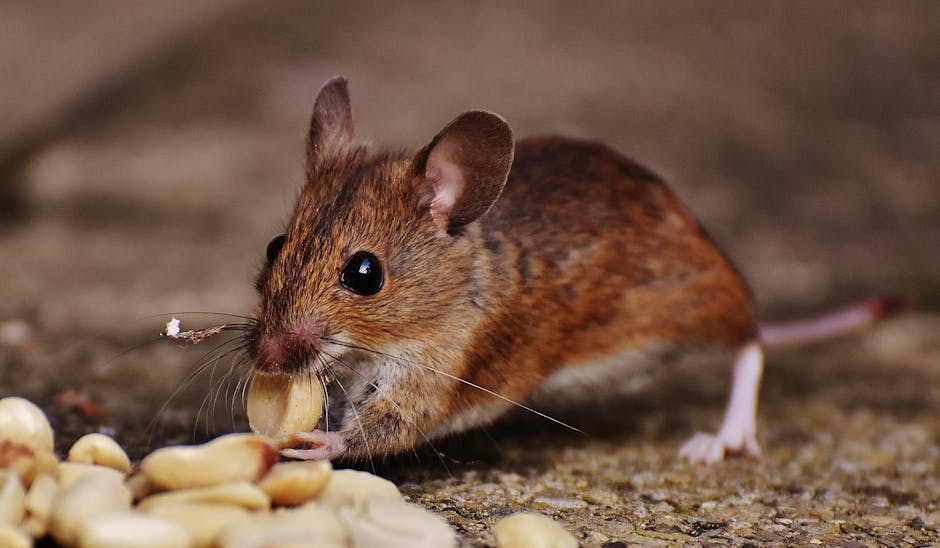
1. Rodents: Mice and rats are common pests in Oroville, particularly in homes with food storage and pet food. They can cause significant damage to property and contaminate food and surfaces.
2. Cockroaches: American, German, and Oriental cockroaches are prevalent in Oroville, often found in kitchens, bathrooms, and laundry areas. They can spread diseases and trigger allergies.
3. Ants: Fire ants, harvester ants, and odorous house ants are common in Oroville, often nesting in soil, cracks, and crevices. They can contaminate food and surfaces, and their stings can cause painful reactions.
4. Termites: Subterranean termites are a significant concern in Oroville, particularly in homes with wooden structures and soil contact. They can cause extensive damage to property and lead to costly repairs.

Signs of Infestation

Identifying the signs of infestation is crucial in preventing pest problems. Common signs of infestation include:

1. Unusual noises: Scratching, scurrying, or chirping sounds can indicate pest presence, such as rodents scurrying through walls or cockroaches crawling across floors.
2. Droppings: Rodent droppings, cockroach feces, or termite frass (insect waste) can be signs of infestation, indicating the presence of pests.
3. Unpleasant odors: Musty smells, mold, or mildew can indicate pest activity, such as the presence of rodents or cockroaches.
4. Damaged property: Chewed wood, gnawed wires, or destroyed insulation can be signs of pest infestation, indicating the need for prompt action.

Effective Pest Control Methods

Preventing pest infestations requires a combination of good housekeeping, exclusion, and control methods. Here are some effective pest control methods to keep your Oroville home pest-free:

1. Seal all entry points: Caulk cracks, crevices, and holes to prevent pest entry and reduce the risk of infestation.
2. Cleanliness: Regularly clean and declutter your home to reduce food and shelter for pests, making it less likely for them to establish themselves.
3. Eliminate standing water: Fix leaks, empty standing water, and reduce moisture to prevent pest breeding and reduce the risk of infestation.
4. Traps and baits: Use sticky traps, bait stations, or gel baits to control pests, such as cockroaches and rodents.
5. Professional treatment: Hire a licensed pest control professional for severe infestations or persistent problems, ensuring effective and safe treatment.

Prevention is Key

Preventing pest infestations is the most effective way to maintain a pest-free home. By understanding the common pests found in Oroville, recognizing signs of infestation, and implementing effective control methods, you can ensure a safe and healthy living environment for you and your family. Remember, prevention is key, and regular maintenance is crucial in keeping your Oroville home pest-free.

Why Aren’t As Bad As You Think

Finding Parallels Between and Life